
Metallica’s great strength is the way their songs invite different kinds of listening. A newcomer can follow a memorable guitar figure or a chorus immediately. A musician can return to the same recording and hear the small rhythmic decisions that make it work. A longtime fan can connect a particular album with a period of life. Those experiences fit together because the band’s identity rests on more than volume or speed.
This guide focuses on that musical craft: the relationship between rhythm and melody, the use of contrast, and the feeling of connection that a well-built song can create. It offers several starting points rather than a ranking of the band’s achievements.
A riff can carry the whole story
James Hetfield’s rhythm guitar gives many Metallica songs a remarkably clear outline. The important detail is often the relationship between a tightly controlled attack and the silence immediately after it. Muted notes feel compact; an open chord suddenly makes the space seem larger. That change gives even a short figure a sense of movement.
The opening electric passages of "Master of Puppets" are useful examples. Their impact comes from the way the accents keep moving the listener forward. The riff feels purposeful, and the surrounding arrangement gives its return a familiar shape. A memorable metal part can function much like a strong vocal phrase.
"Enter Sandman" offers another route into that idea. Its central motif is easy to recognize, yet the recording introduces its full weight gradually. The listener learns the figure before the complete band arrives. That patient presentation helps a simple musical idea become a shared point of reference.

Melody gives the heaviness a second dimension
Kirk Hammett’s lead guitar adds a different kind of expression. Where the rhythm part establishes a firm physical pattern, a sustained lead note can suggest distance, tension, or release. The contrast gives a passage more than one emotional layer. Listeners can follow the guitar’s melodic direction even without knowing the technical vocabulary.
The quieter opening of "Fade to Black" is a welcoming place to explore that side of the band. The acoustic texture establishes an intimate scale, and the electric development expands it. The changing sound feels connected because melodic phrases guide the movement between sections.
"Orion" is another rewarding choice. Its instrumental structure leaves room for bass, guitar harmony, and changes in intensity to carry the experience. Instead of waiting for a singer to explain the destination, the listener follows the arrangement itself. The piece demonstrates how clearly a metal band can communicate through instrumental color.

Albums reveal different approaches to the same craft
The band’s official album archive places Ride the Lightning in 1984, Master of Puppets in 1986, and the self-titled Metallica in 1991. Hearing those records in sequence makes their changing approach to scale especially interesting. Each presents a recognizable musical personality through a different balance of density, space, and directness.
Ride the Lightning is a strong starting point for listeners attracted to dramatic contrasts. Acoustic passages and melodic guitar lines sit alongside fast, tightly organized playing. The record makes room for atmosphere within an energetic framework, so the quieter moments become part of the overall character.
Master of Puppets rewards attention to the relationships between sections. The self-titled album offers a complementary listening experience: prominent central riffs, broad vocal hooks, and arrangements that give individual sounds plenty of room. Neither approach needs to replace the other. They provide different entrances into the band’s songwriting.
The rhythm section makes the arrangements breathe
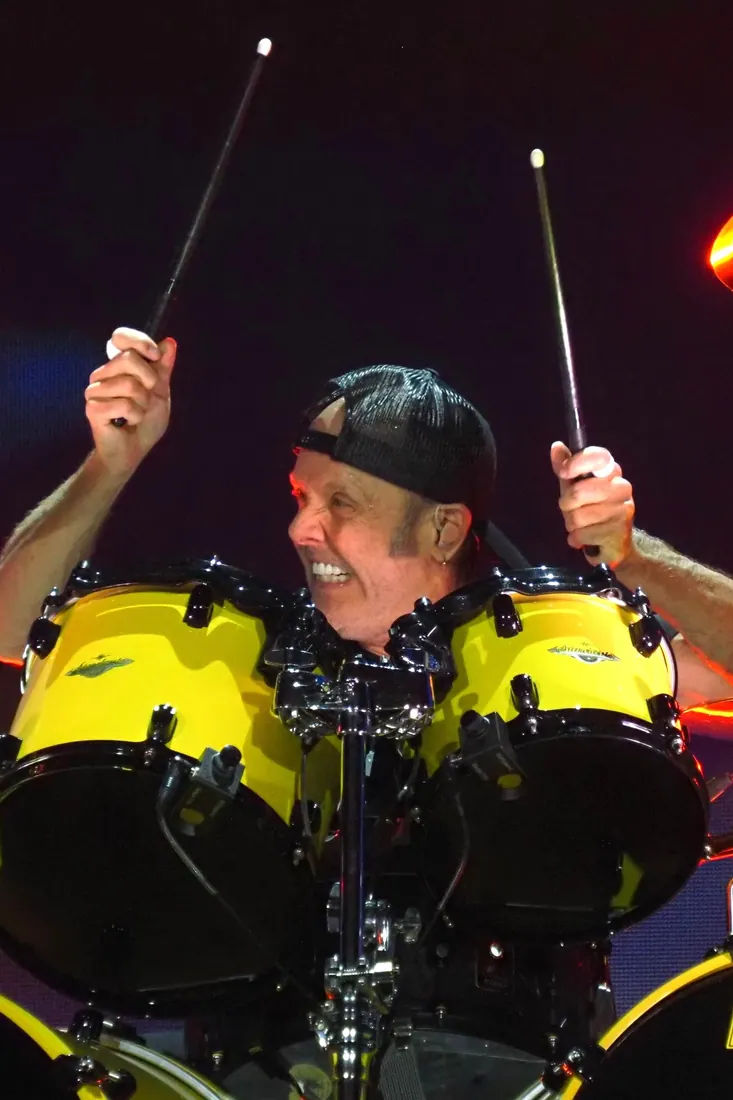
Lars Ulrich’s drum parts often act as signposts. A fill, a cymbal change, or a shift in the placement of the snare can announce a new section before the listener consciously recognizes it. Following those cues is a useful way to understand how a long song stays easy to navigate.
The bass brings another source of motion and character. Different eras of Metallica feature different players and recording approaches, so it helps to listen to a specific album on its own terms. On an instrumental such as "Orion," the low end can become an especially expressive voice rather than simply a foundation beneath the guitars.
For a practical listening exercise, play a familiar song three times at a comfortable volume. First follow the main guitar figure. Next concentrate on the drums. Finally listen for the bass and the spaces between instruments. The recording stays the same, but the arrangement becomes more detailed with each change of focus.

Why these songs become a shared experience
Metallica’s music frequently gives an audience something concrete to hold onto: a short guitar motif, an emphatic vocal line, or a clearly prepared return to the main section. Those elements travel well from a private listening session to a large crowd. Recognition becomes participation, and a familiar passage can feel bigger when thousands of people anticipate it together.
That accessibility is part of the craft. A song can contain intricate playing and still have an inviting surface. The band’s official history supplies the career context, but the musical connection is available directly in the recordings. The central ideas remain identifiable even as the surrounding textures change.
For a first listening session, try "Enter Sandman," "Fade to Black," "Master of Puppets," and "Orion." The sequence moves from a direct riff to a more expansive instrumental journey. Together, these tracks show why Metallica can appeal to someone seeking an immediate anthem and someone interested in exploring the details of a carefully arranged metal song.
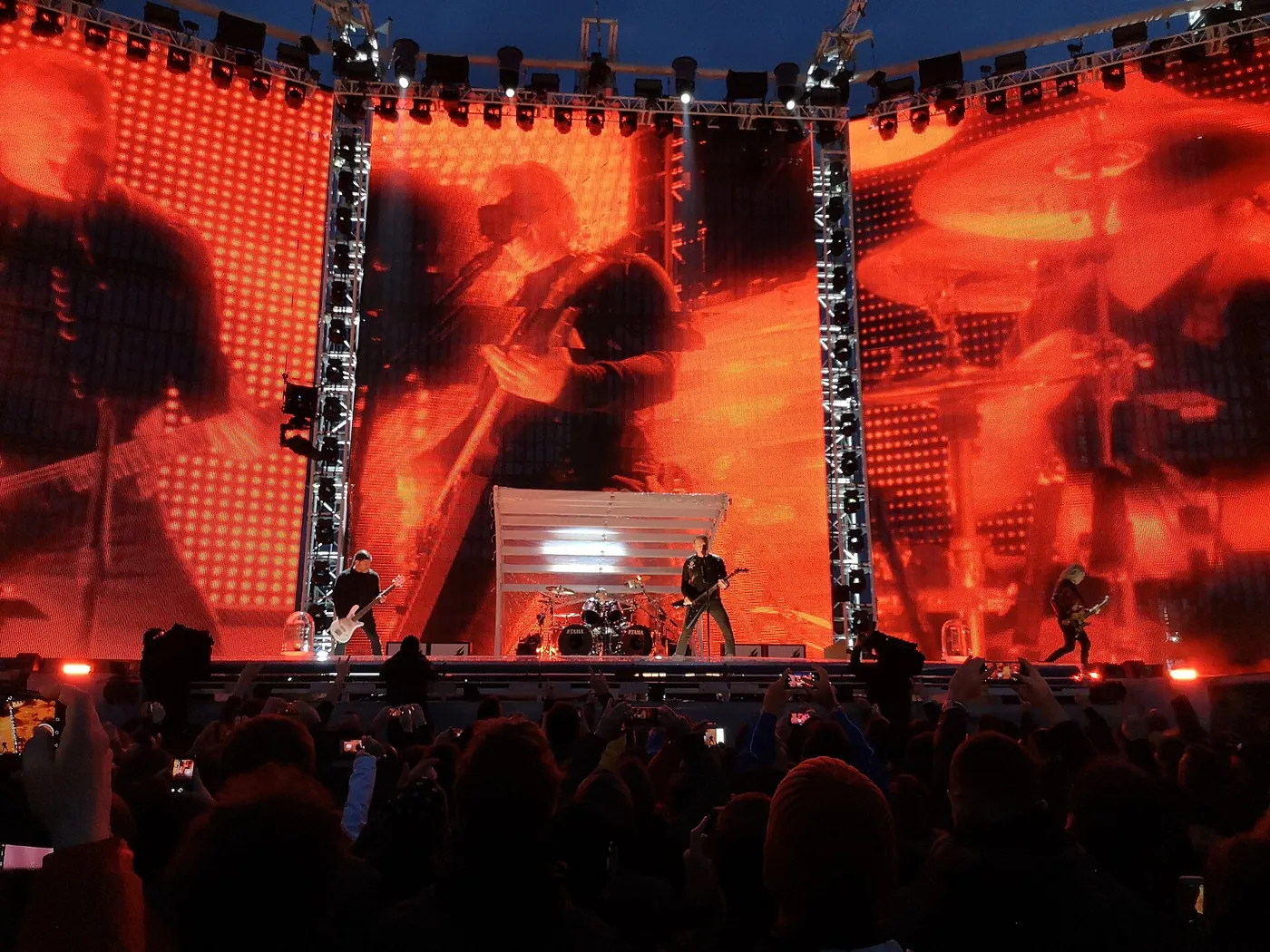
Featured image: Metallica performing at Ippodromo San Siro in Milan in 2019. Photo: Dennis Radaelli / Wikimedia Commons source / CC BY-SA 4.0. Resized and converted to WebP.


