
Black Sabbath’s musical legacy begins with an idea that remains wonderfully direct: a guitar figure can change the atmosphere of an entire room. A few notes, given the right weight and space, can create a world that listeners recognize immediately. Their recordings make that possibility feel natural, physical, and full of character.
There is much more to discover beyond the familiar description of Sabbath as heavy metal pioneers. Their music contains rhythmic flexibility, melodic warmth, acoustic detail, and a playful willingness to explore. Looking closely at those qualities reveals why the songs remain such rewarding listening experiences.
Tony Iommi makes a few notes feel enormous
Tony Iommi’s guitar writing demonstrates the value of a clear musical shape. Many of his best-known riffs can be recognized before an entire phrase has finished. The notes occupy distinct positions, and the spaces between them help give the figure its personality. The result feels substantial without needing constant activity.
"Iron Man" is a particularly accessible example. Its central melody has a strong contour, and the arrangement presents it with confidence. The riff is memorable enough to sing, which helps explain its appeal beyond listeners who normally focus on guitar playing. It is a tune as much as a display of heaviness.
"Into the Void" offers another view of that craft. The relationship between the low guitar sound and the measured rhythmic movement creates a powerful sense of scale. Follow where a phrase pauses and where the next accent arrives. The impact depends on timing and shape, qualities that remain audible even at a modest listening volume.
The rhythm section adds a human swing
Geezer Butler’s bass and Bill Ward’s drumming give the early recordings a flexible foundation. The instruments do more than reinforce the guitar. They introduce movement around it, sometimes pushing forward and sometimes letting the main figure settle. That interaction gives the songs a lively, conversational quality.
"Fairies Wear Boots" is a useful place to hear the combination of momentum and rhythmic character. Focus on the changes in the drumming and the way the bass keeps the passage moving. The groove has personality because the musicians are responding to the shape of the song together.
This is one reason the early catalog rewards repeated attention. A familiar guitar part may attract the ear first, but the bass and drums can make the same recording feel newly detailed on a later listen. The heaviness rests on an ensemble that knows when to support a phrase and when to add another layer of motion.
Melody and atmosphere belong inside the picture
Ozzy Osbourne’s voice gives the original-era songs a clear melodic presence. His phrasing often follows a line that is easy to remember, creating a direct connection with the listener. Against the darker guitar color, that vocal clarity becomes especially distinctive.
"Planet Caravan" broadens the picture beautifully. Its floating atmosphere and gentle movement create a different kind of immersion from the more forceful songs surrounding it. The track shows how a band associated with weight can also communicate through delicacy, texture, and restraint.
"Changes" opens another doorway, placing melody and emotional directness at the center. Hearing such a song alongside riff-driven material helps reveal the breadth of Sabbath’s musical imagination. Their identity can survive a substantial change of instrumentation because the phrasing and sense of character remain strong.
Several albums make an inviting listening route
Iommi’s official music archive provides a useful route through Black Sabbath, Paranoid, Master of Reality, and the band’s wider catalog. These records offer distinct perspectives on the relationship between a memorable riff and an effective arrangement. Exploring them as complete albums helps their individual atmospheres emerge.
Paranoid is a particularly welcoming introduction because it contains several immediately recognizable musical ideas. The band’s official album stream also provides the original sequence. Notice how compact songs and more spacious passages sit together, giving the record changes of pace rather than a single continuous texture.
Master of Reality is rewarding for listeners drawn toward a thick guitar sound and deliberate movement. Sabbath Bloody Sabbath offers another perspective on arrangement and color. These are listening routes rather than a hierarchy. Each album makes a different aspect of the band’s creativity easier to hear.
A legacy that welcomes individual voices
Sabbath’s catalog also contains important musical chapters beyond the original lineup. Heaven and Hell, with Ronnie James Dio on vocals, is a useful starting point for hearing a different vocal personality within the band’s broader identity. The title track combines a memorable foundation with room for a dramatic melodic performance.
The productive question is how each recording brings its particular musicians together. A vocalist’s phrasing changes the space around a riff, and a rhythm section can alter the feel of a familiar approach. Listening with that curiosity makes the catalog richer and gives each period a fair opportunity to reveal its strengths.
For an introductory session, try "Iron Man," "Fairies Wear Boots," "Planet Caravan," "Into the Void," and "Heaven and Hell." Follow the guitar shape first, then the bass, drums, and voice. The common thread is imaginative musical character: distinct parts working together to make a song feel larger than its individual ingredients. That is a generous, enduring gift to heavy music.
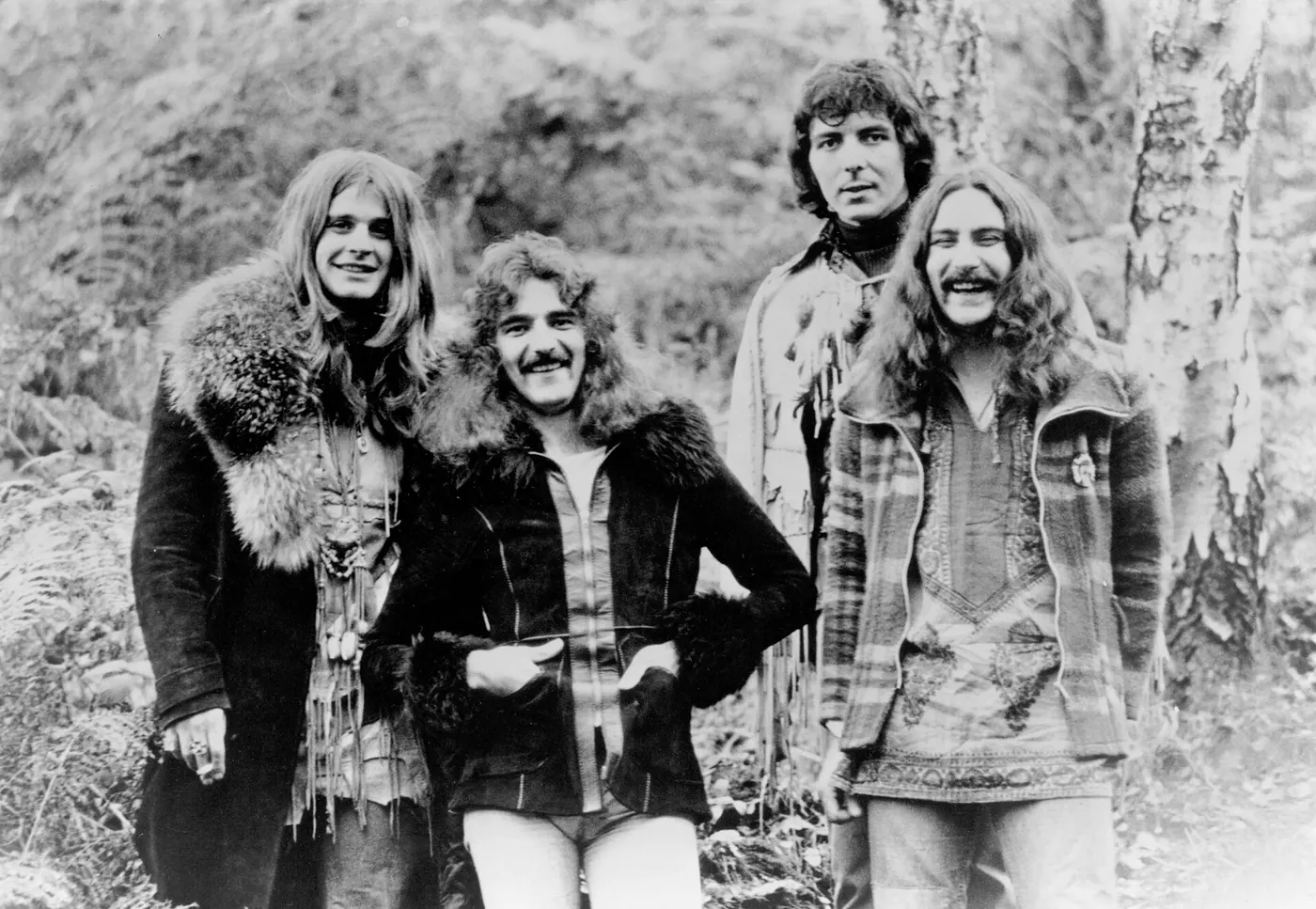
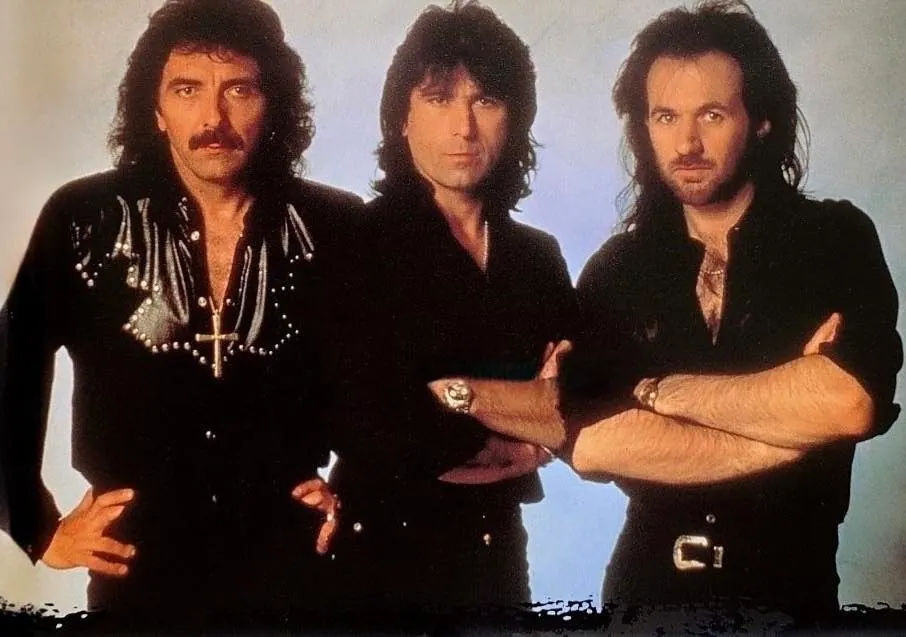
Featured image: Black Sabbath’s original lineup in a publicity photograph. Photo: Premier / Wikimedia Commons source / Public domain. Resized and converted to WebP.