
Unexpected Roots: How Calligraphy, Tribal Art, and Horror Inspire Metal Fonts
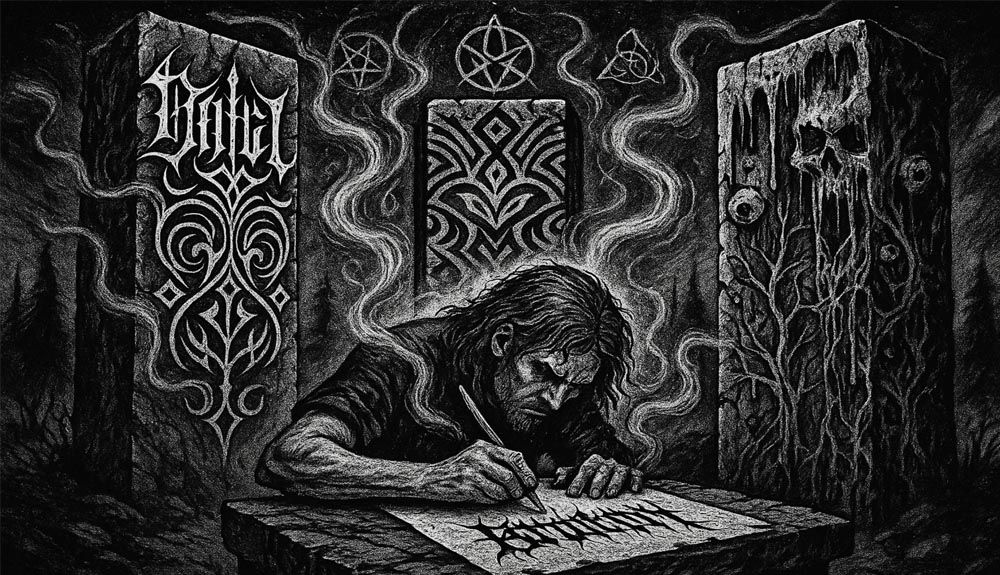
When people look at a brutal metal font, they often just see chaos:
Spikes, thorns, blood-like drips, unreadable shapes.
But behind the madness lies something more ancient — and artistic.
Did you know that many metal fonts are inspired by traditional calligraphy, tribal motifs, and horror aesthetics?
Yes, the most aggressive-looking letters actually have roots in deeply expressive, sometimes sacred art forms.
Let’s break down these unexpected inspirations behind metal typography — and how they shape the fonts that scream without sound.
🖋️ 1. Calligraphy – The Elegance Beneath the Brutality
Calligraphy might seem too graceful for metal, but don’t be fooled.
Look closer, and you’ll see it everywhere — especially in black metal logos.
- Gothic calligraphy is full of sharp edges, dramatic flourishes, and symmetry — perfect for evoking ritualistic or medieval tones.
- Arabic, Japanese, and Sanskrit-inspired strokes often appear in atmospheric or post-metal fonts, bringing an ancient, mystical feel.
- Fraktur or Old English scripts add a historic and sacred energy to logos.
These influences allow metal fonts to feel both ritualistic and violent — like sacred texts torn and rewritten with fury.
🌀 2. Tribal Art – Symbols of Identity and Resistance
Many metal fonts borrow from tribal patterns and linework — especially in death metal, groove metal, and tribal metal subgenres.
- Curved lines and symmetrical shapes are inspired by Polynesian, African, and Dayak tribal tattoos.
- The repetition of motifs creates a sense of unity, heritage, and rhythm — just like the groove in your riffs.
- Tribal symbols often represent life, death, strength, and war — core themes in metal lyrics too.
This fusion creates fonts that are not only aggressive, but culturally rich and spiritually charged.
💀 3. Horror Aesthetics – Fear, Texture, and Chaos
No surprise here: horror has a huge influence on metal — visually and sonically.
Horror-inspired font elements include:
- Dripping ink or blood-like serifs
- Torn edges like ripped flesh or old paper
- Organic shapes that resemble bones, branches, veins
- Skulls, thorns, tentacles, or demonic curves subtly hidden in letterforms
Why? Because metal and horror share the same soul: they explore fear, mortality, and things that society avoids.
Even when unreadable, horror-inspired fonts evoke immediate emotion — terror, discomfort, or awe. That’s metal.
🧠 4. Why This Matters: The Art Behind the Aggression
Many people think metal fonts are just “scribbles” or “random thorns.”
But the truth is — they’re some of the most intentional type designs in the world.
A single ligature might take hours to get right.
A curve might be based on a centuries-old manuscript.
A shape might tell a story older than the band itself.
Behind the brutality is deep art direction, often mixing ancient scripts, indigenous patterns, and horror elements to create something visually primal.
🖤 Examples from the Scene
Let’s name a few fonts or logo styles that reflect these inspirations:
- Heartless Font – Combines horror distortion with tribal shapes
- Zamruds – Clean but tribal-influenced black metal font
- NEXUS – Symmetrical design inspired by sacred geometry and horror
- Custom black metal logos – Often feature hidden calligraphy strokes, rune-like lines, or blood-drip symmetry
Even high-profile bands like Dimmu Borgir, Behemoth, and Watain often incorporate these styles into their official branding.
🎨 Final Words: Brutality With Heritage
So the next time you see a metal font —
Don’t just say, “That’s unreadable.”
Ask:
- Is that an ancient symbol hidden in the T?
- Is that curve inspired by tribal armor?
- Is that stroke pulled from forgotten scrolls?
Because metal fonts aren’t just scary.
They’re sacred.
They’re cultural.
They’re rage written in ritual.