
Zombies, Metal, and the Undying Obsession: Why Undead Imagery Rules Album Covers
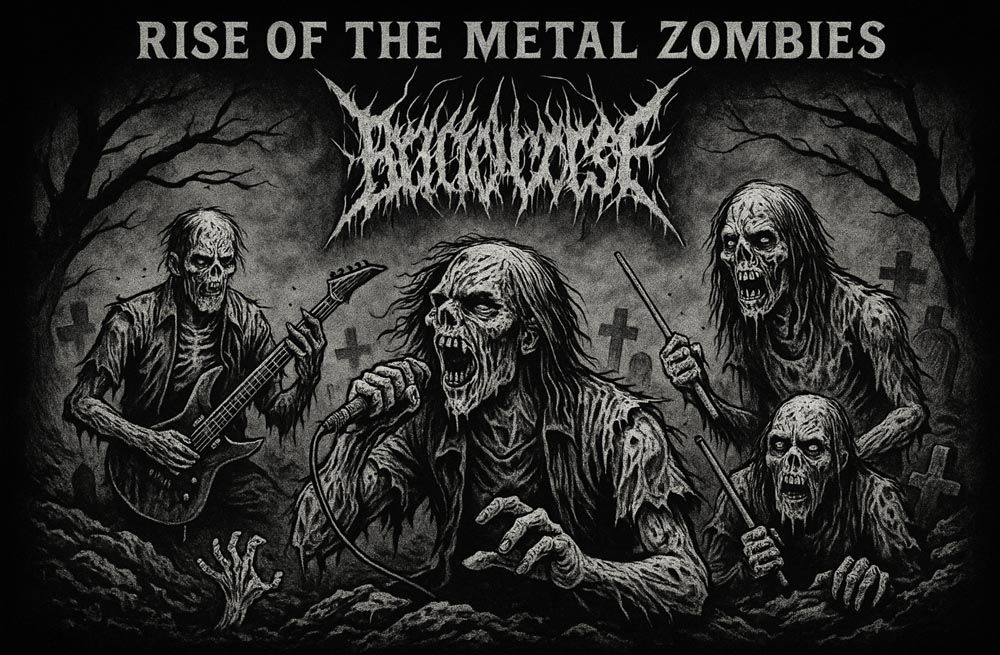
Are zombies real?
Science says no (mostly). But in metal?
Zombies have been alive and well since the very beginning.
From crawling out of graves to devouring brains on stage, zombies have become one of the most iconic visuals in metal culture. But why do so many bands choose undead imagery? And is there any truth to the zombie myth?
Let’s dig through the grave dirt and find out.
🧟 1. The Origins of the Zombie Myth
The concept of the “zombie” comes primarily from Haitian folklore, where a reanimated corpse is said to be under the control of a bokor (a dark sorcerer).
In reality, there have been documented cases of people being drugged and entering a catatonic state—only to “return” days later. Creepy? Definitely. Real? Maybe.
In modern pop culture, zombies exploded through:
- Night of the Living Dead (1968)
- Evil Dead, Resident Evil, and endless horror classics
- Comic books, video games, and death metal lyrics
Whether real or myth, the symbolism of zombies is powerful—and metal knew it first.
💀 2. Zombies Reflect Metal’s Core Themes
Zombies aren’t just monsters. They represent:
- Death that refuses to die
- The decay of society
- Uncontrollable rage
- Mindless consumption
- Rebellion against natural law
Sound familiar? That’s because it echoes many lyrical themes in death metal, grindcore, thrash, and blackened subgenres.
Zombies scream what metal sings.
🧠 3. Bands That Made Zombies Metal Icons
Many legendary bands have embraced zombie imagery:
- Cannibal Corpse – Multiple album covers feature torn flesh, undead chaos, and horror aesthetics.
- Municipal Waste – Known for punk-thrash energy and zombie party mayhem.
- Mortician – Horror samples + zombie apocalypse = their signature sound.
- Zombie Apocalypse, Exhumed, Ghoul, and countless others have turned the undead into musical mascots.
Even bands without the word “zombie” in their name often use reanimated corpses in:
- Album covers
- Merch
- Stage design
- Music videos
In metal, zombies are more than tropes—they’re tradition.
🖼️ 4. Why Zombies Dominate Album Covers
Metal is visual. And nothing catches the eye like rotting, screaming corpses.
Zombie album covers:
- Represent rawness and aggression
- Visually warn: “This album is not for the weak”
- Allow for detailed, grotesque, and artistic compositions
- Evoke feelings of fear, chaos, and rebellion before a note is even played
In a store shelf or digital thumbnail, zombies shout:
“This music will tear your face off.”
🎨 5. The Style Behind the Gore
Many metal artists specialize in zombie aesthetics:
- Ed Repka (Megadeth, Death)
- Vince Locke (Cannibal Corpse)
- Mark Riddick (underground scene)
Their art balances:
- Cartoonish gore (for humor or camp)
- Realistic rot (for horror and tension)
- Symbolism (zombies as metaphors for war, religion, politics)
Zombies are flexible. They can be silly, scary, or spiritual. That’s why artists and bands love them.
🧟♂️ So… Are Zombies Real?
Not in the Hollywood sense.
But as symbols, they’re absolutely real.
They represent:
- Cultural fears
- Loss of control
- Post-apocalyptic anxiety
- The dark side of humanity
And metal—being the genre that faces darkness head-on—welcomes them with open (rotting) arms.
Conclusion
Zombies may not be scientifically real, but in the world of metal, they’ve earned their place in the hall of fame.
They’re loud. They’re angry. They don’t die easily.
Just like the music.
So next time you see a gory undead figure on an album cover, don’t just flinch.
Crank it up—and let the dead scream.