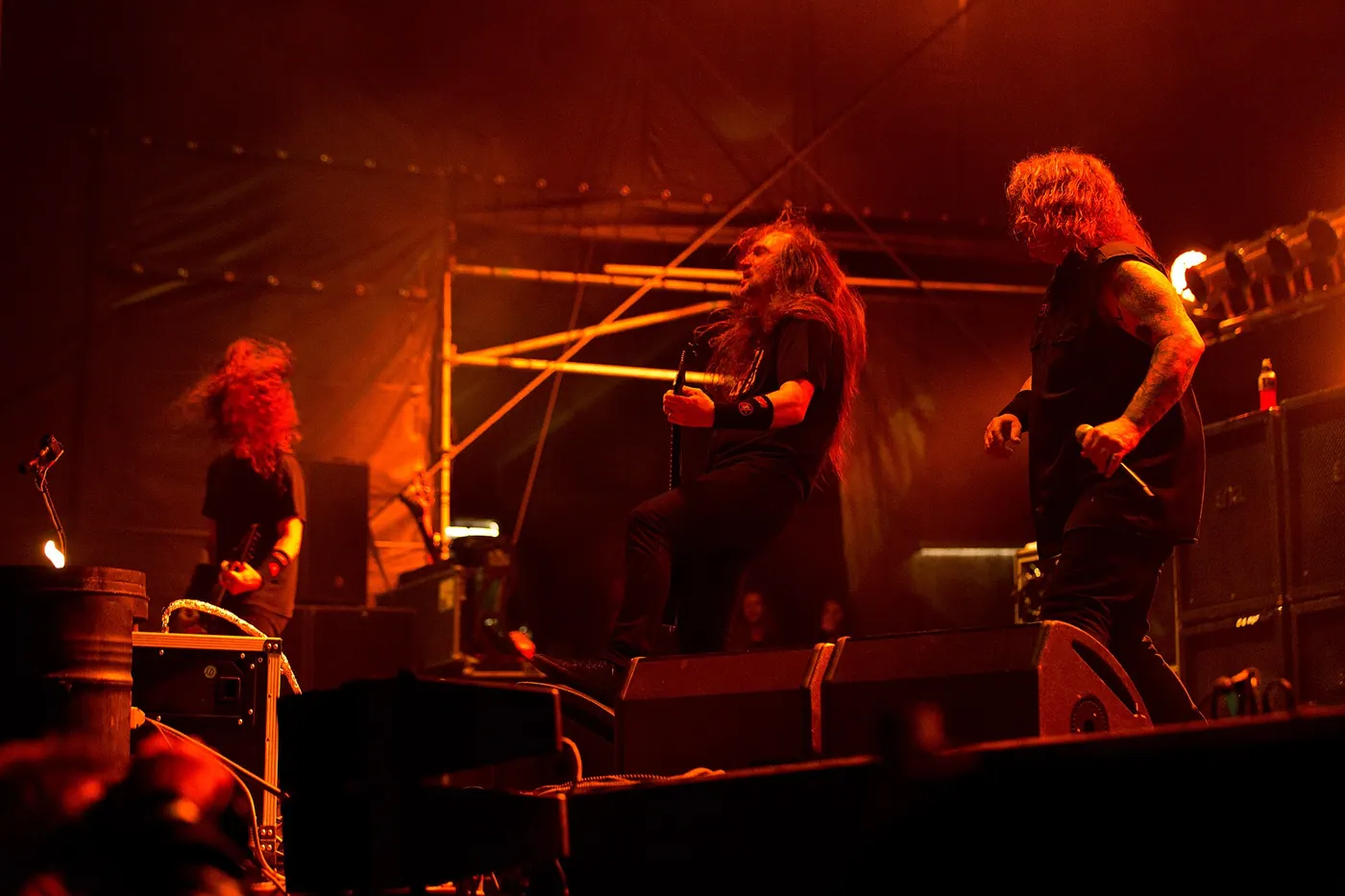
An Exodus riff often feels like an invitation to move. The guitar attack is immediate, the rhythm has a distinct physical shape, and the band gives the central idea enough confidence to fill the room. Their music captures one of thrash metal’s most enjoyable possibilities: a detailed performance can still connect with a listener in a few seconds.
That directness comes from craft. Beneath the energetic surface are decisions about accents, repetition, instrumental space, and the moment a new section should arrive. Exploring those choices offers an engaging way into Exodus and a useful lesson in how a memorable heavy song works.
A riff needs a recognizable outline
The guitar writing associated with Gary Holt and the band’s wider musical history gives many Exodus songs a strong rhythmic signature. A phrase can be busy while retaining a clear shape. The important details are where the accents land and how the figure returns to its starting point.
"Bonded by Blood" offers a straightforward entrance into that vocabulary. Its central ideas have a definite direction, and the performance presents them with considerable conviction. A listener can follow the recurring figures before becoming familiar with every transition in the arrangement.
Repetition is an important part of the pleasure. When a good riff returns, the ear recognizes its contour and anticipates its next turn. The band can then make a small change in emphasis or texture, refreshing the passage while preserving the identity that made it memorable in the first place.
The space around a note matters
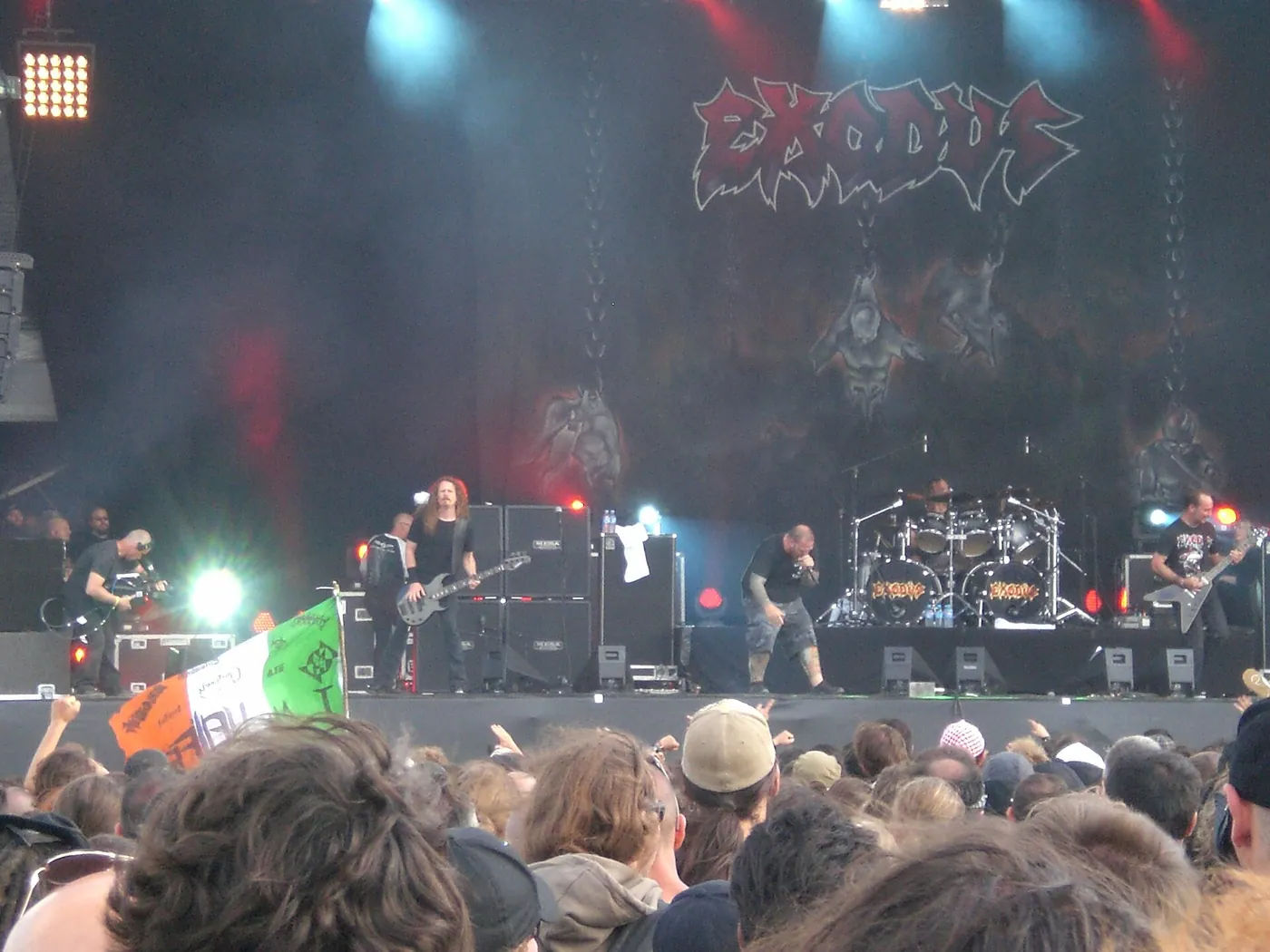
Thrash guitar is frequently associated with continuous movement, but a well-placed pause can be equally powerful. An Exodus arrangement often uses the contrast between a compact attack and the space immediately following it. The silence gives the next accent more definition and helps the whole ensemble sound larger.
"The Toxic Waltz" is an especially inviting example of the band’s physical rhythmic appeal. Follow how the main figure makes room for the vocal and how the drums reinforce its movement. The groove gives listeners an easy way to connect, even before the smaller instrumental details become familiar.
This relationship also explains why a riff can remain effective when heard at a comfortable volume. Its character comes from timing and contour, not only from the force of the sound. The better the musical shape is defined, the easier it becomes for an audience to recognize and respond to it.

Lead guitar changes the perspective
Exodus’s lead passages add another kind of motion to the music. A solo can rise above a firm rhythmic foundation, introducing melodic turns and a new texture while the underlying song remains clearly identifiable. The contrast gives the arrangement a sense of development.
"A Lesson in Violence" is a useful place to follow the relationship between those roles. The guitar foundation establishes a setting, and the lead movement gives the ear a different path through it. Hearing the parts together reveals the ensemble logic behind the individual performances.
For a closer listen, concentrate on the rhythm guitar during a solo. Notice how it maintains the song’s identity while the other guitar explores. That supporting role is a substantial part of the musical achievement. A memorable lead passage gains its scale from the framework the rest of the band provides.
Different eras reveal the same commitment to a strong idea
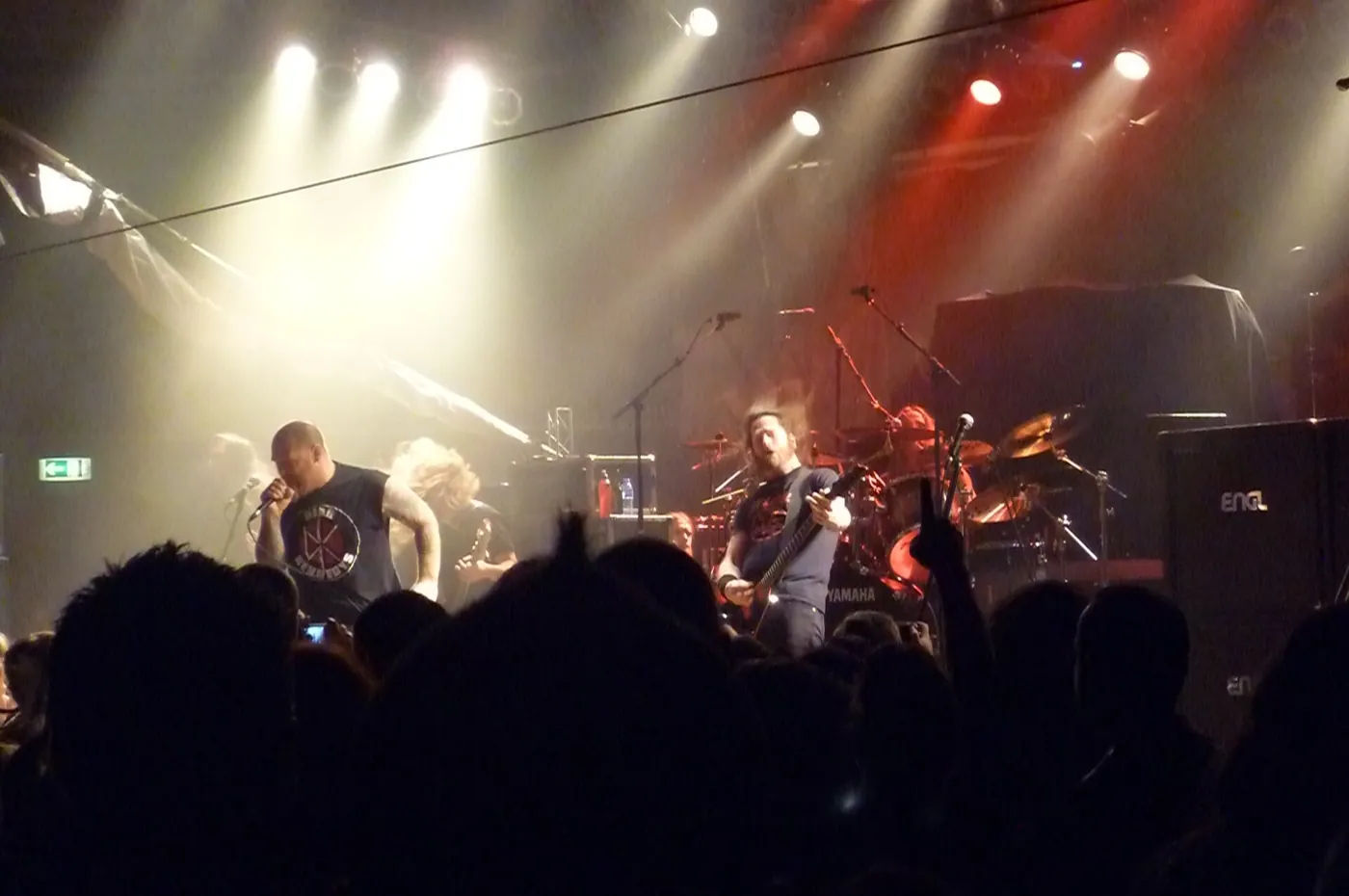
The band’s official biography identifies Bonded by Blood as a foundational release and discusses the later arrival of Tempo of the Damned. These records make useful listening companions because they present the Exodus identity through different recording settings and stages of the band’s musical development.
Bonded by Blood offers an energetic introduction to the vocabulary that made the band recognizable. Tempo of the Damned is a rewarding next destination for listeners interested in how the central guitar ideas can occupy a fuller production space while retaining an immediate rhythmic profile.
"Blacklist" is an inviting selection from that later chapter. The main attraction is the confident movement of the central figure and the way the arrangement supports it. Listening beside an earlier song makes the continuity of the band’s musical priorities easy to hear: memorable riffs, decisive performances, and a strong connection between guitar and rhythm section.
What musicians and listeners can take from Exodus
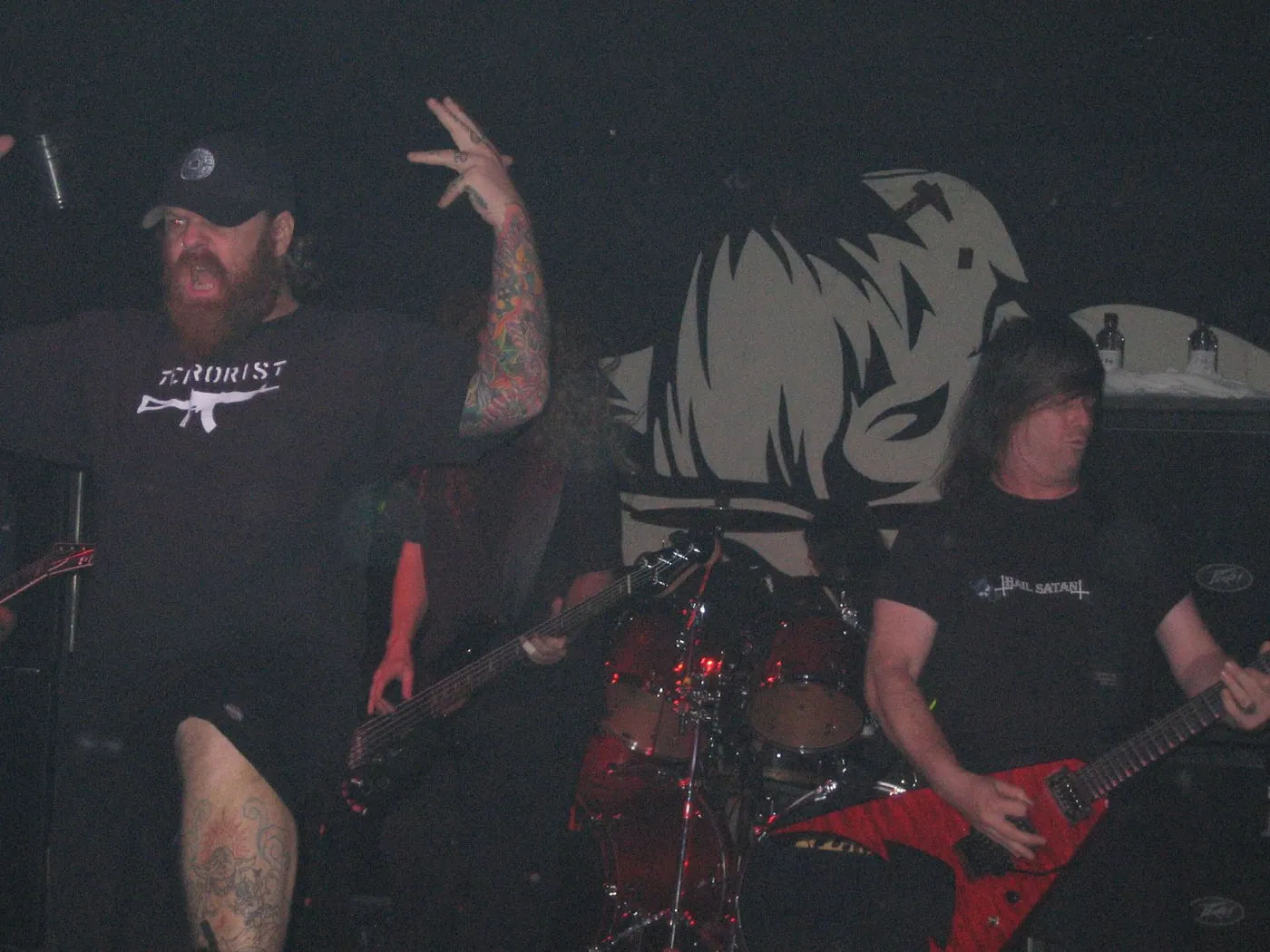
The practical lesson is to give an idea a clear identity before surrounding it with detail. An expressive guitar tone helps, but the rhythmic shape must do meaningful work. A phrase that remains recognizable when hummed or tapped already contains a strong musical foundation.
Try a four-song introduction with "Bonded by Blood," "The Toxic Waltz," "A Lesson in Violence," and "Blacklist." Listen for the central figure in each track, then notice how the band announces its return. The pleasure often lies in that moment of recognition: the arrangement has taken a journey, and the familiar riff comes back with renewed force.
Exodus show how enthusiasm and discipline can reinforce one another. Their music gives a listener something immediate to enjoy while leaving plenty of detail for a later visit. The best entrance is simple: follow the groove, learn the shape of the riff, and hear how a group of musicians turns that shared idea into a complete performance.
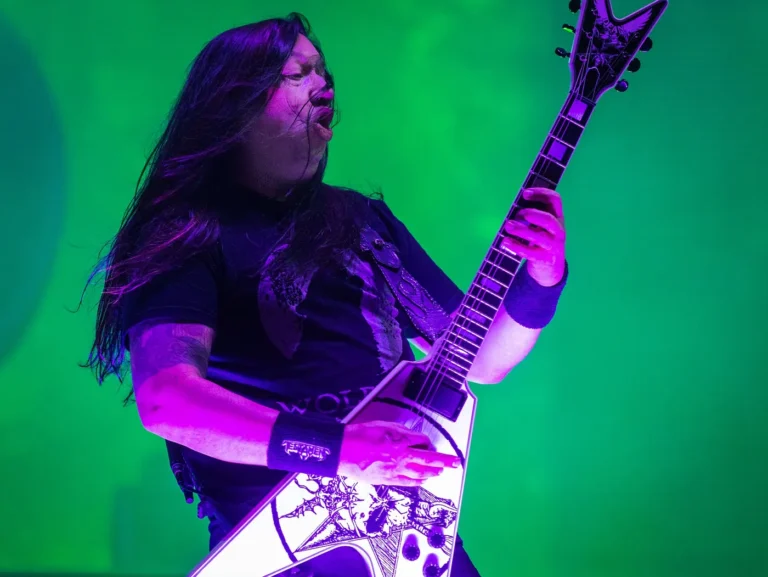
Featured image: Exodus performing at Party.San Metal Open Air in 2016. Photo: S. Bollmann / Wikimedia Commons source / CC BY-SA 4.0. Resized and converted to WebP.