
Slayer’s music makes an immediate impression, but its lasting interest comes from the organization underneath the intensity. The guitars, bass, drums, and voice share a strong sense of direction. A phrase arrives with a clear purpose, and the next passage changes the shape of the experience. The excitement comes from hearing those decisions lock together.
Approaching the band through musical craft opens a rewarding listening route. Their catalog contains rapid movement, deliberate grooves, distinctive guitar phrasing, and carefully controlled changes of atmosphere. These qualities help explain why the recordings remain recognizable and compelling across different tempos and album-length settings.
Speed works because the ensemble shares a destination
A fast passage becomes convincing when its parts agree about where the accents belong. Slayer’s most energetic recordings make that relationship especially clear. The guitar attack and drum pattern establish a common outline, while the vocal adds another rhythmic layer. The instruments move together with an identifiable sense of momentum.
"Angel of Death" is a useful musical example of that coordination. Concentrate on the way the arrangement changes shape rather than attempting to follow every individual note. The contrast between faster motion and a more settled central groove gives the song a memorable architecture.
The same principle helps shorter pieces retain their identity. An emphatic opening, a well-placed transition, and a decisive return can provide a complete experience within a compact structure. Following these signposts makes the music accessible to a listener who is new to its pace and instrumental density.
Riffs stay memorable through contour and rhythm
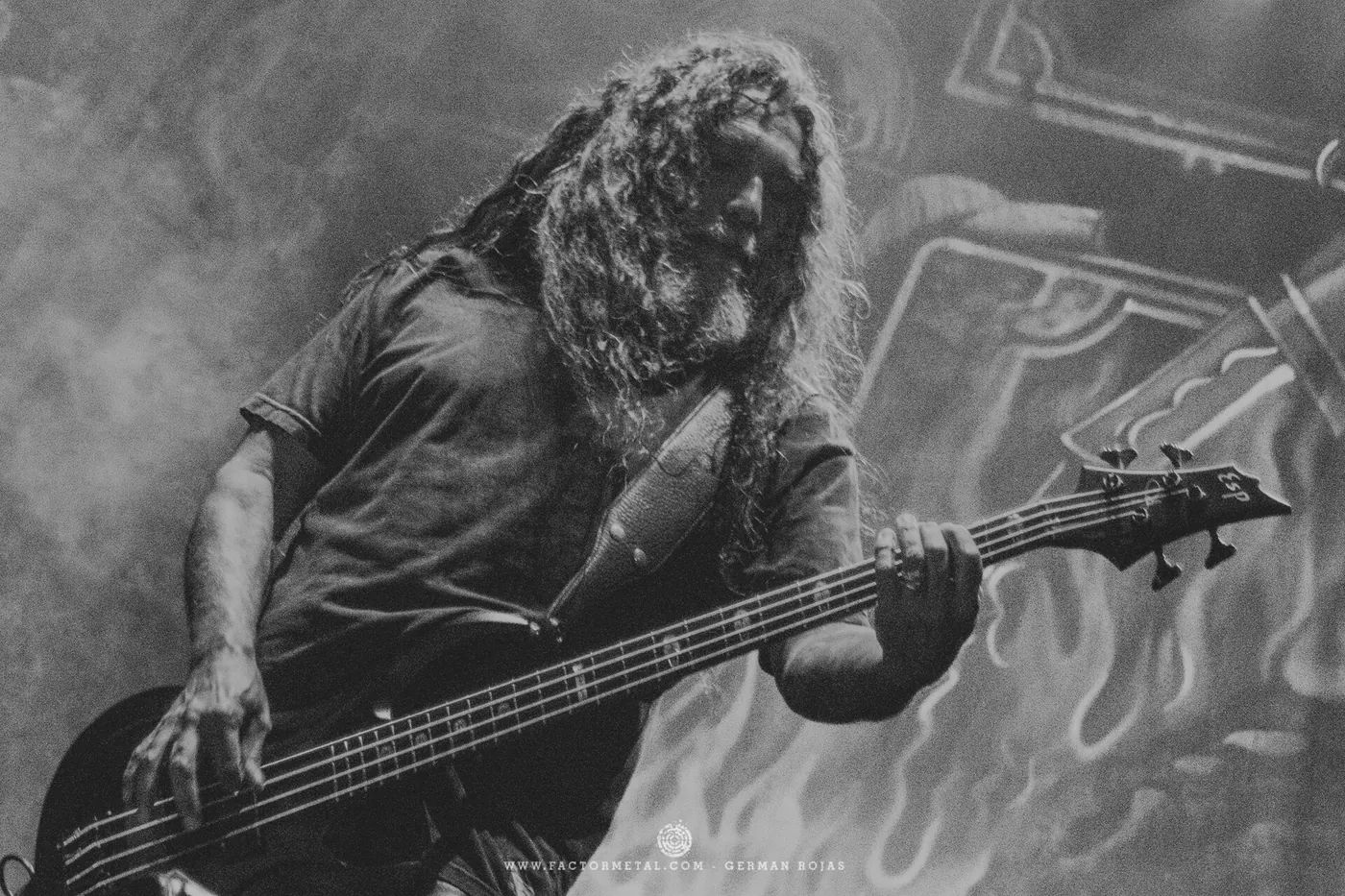
Jeff Hanneman and Kerry King’s guitar writing helped give Slayer a particularly recognizable vocabulary. Their riffs often combine a clear rhythmic profile with a melodic contour that creates tension. Even when the sound is dense, the shape of the central figure can remain easy to identify.
"Raining Blood" provides a strong introduction to that quality. Its atmosphere prepares the listener for the guitar’s arrival, and the main figure has a distinctive movement. The impact comes from how the riff is presented within the surrounding space as well as from the notes themselves.
"Seasons in the Abyss" offers another inviting example. The opening allows the atmosphere to develop before the complete band gathers momentum. A recognizable theme gives the listener a point of orientation, and the arrangement expands around it. Patience and presentation are important parts of the song’s musical character.

The drums give each section a physical shape
Dave Lombardo’s performances on the band’s classic recordings reward focused attention. His drumming does more than maintain the pace. Fills, cymbal choices, and changes in the emphasis of a pattern help define the boundaries between sections. The drum part can make a transition feel inevitable before the guitar completes it.
Listen to how a steadier passage creates room around the main riff. With fewer competing accents, the guitar figure can take on a larger physical presence. When faster movement returns, it gains a different kind of excitement because the preceding section has established a contrasting scale.
Tom Araya’s vocal phrasing contributes to that rhythmic picture. The delivery often moves with a direct, emphatic shape, giving a dense instrumental arrangement a clear point of focus. Following the vocal rhythm alongside the drums is an effective way to hear the song as a coordinated performance rather than a collection of separate parts.

Three albums reveal a broader musical range
Slayer’s official discography provides a route through Reign in Blood, South of Heaven, and Seasons in the Abyss. Hearing them as separate album experiences makes the differences in pacing and atmosphere easier to appreciate.
Reign in Blood is a useful destination for listeners interested in concentrated energy and economical arrangements. The record moves decisively, and the relationships between its tracks contribute to its overall momentum. Listening in sequence helps reveal how the musicians manage an album’s pace as well as the shape of an individual song.
The band’s official account of South of Heaven highlights its steadier tempo and more nuanced approach to songwriting. The title track is a welcoming introduction to that side of the catalog. Its measured movement gives the guitar theme and vocal phrasing plenty of room to establish a distinctive atmosphere.

A practical introduction for a new listener
Start with "South of Heaven" and "Seasons in the Abyss" if you want to hear the band’s musical identity in a more spacious setting. Then move to "Raining Blood" and follow the way its atmosphere develops into a forceful ensemble performance. Each track offers a different balance of anticipation, rhythm, and release.
On a return visit, concentrate on one instrument at a time. Trace the guitar’s contour, then follow the drum transitions, and finally notice how the vocal shapes the same structure. This approach makes the arrangement more legible and helps the listener recognize recurring musical ideas.
Slayer’s creative strength is the way precision turns intensity into recognizable songs. The performances have a definite character, and the catalog offers more variation in pace and scale than a first impression might reveal. Giving those details attention makes the music an engaging study in timing, teamwork, and the lasting appeal of a distinctive heavy metal voice.
Featured image: Slayer performing at Tuska Festival in 2019. Photo: WanderingTrad / Wikimedia Commons source / CC BY-SA 4.0. Resized and converted to WebP.