Judas Priest make heavy metal feel purposeful. A guitar melody appears with a clean outline, the rhythm settles into place, and the vocal gives the song a powerful point of focus. Their music offers the excitement of a big performance while keeping the central ideas easy to recognize. That combination is a major part of their enduring appeal.
The band’s catalog also contains a remarkable range of musical scale. A concise anthem can sit beside an elaborate dramatic piece, and both can sound unmistakably like Priest. Exploring the craft behind those approaches is a rewarding way to begin listening or to rediscover familiar albums.
Two guitars create more than extra volume
The celebrated partnership of Glenn Tipton and K. K. Downing helped establish a guitar language in which rhythm, harmony, and contrasting lead voices could work together. One part might provide the frame while the other introduces movement or color. When both guitars join a melodic figure, the result gains a strong sense of dimension.
"The Hellion" leading into "Electric Eye" is an excellent example of that dramatic presentation. The opening prepares a musical world before the complete song gathers momentum. Its guitar theme gives the listener a point of orientation, and the following arrangement makes the transition feel purposeful.
The appeal is easy to hear without analyzing every note. One guitar can sound focused and direct; another can answer it with a different melodic shape. Listening for that exchange reveals why a twin-guitar arrangement can feel like a conversation within the song rather than simply a thicker instrumental background.
Rob Halford turns phrasing into a dramatic instrument
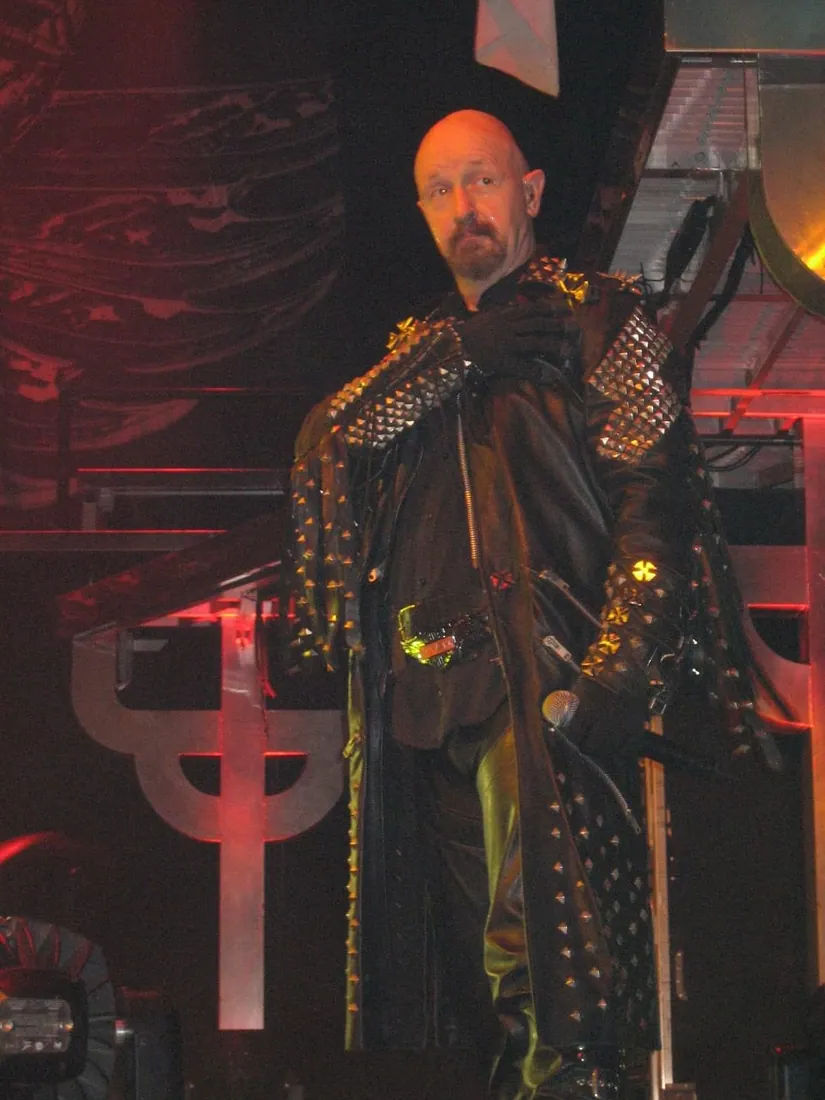
Rob Halford’s singing is often celebrated for its range, but the character of his phrasing matters just as much. A sustained note, a clipped line, or a change in vocal color can give a passage a new scale. The voice becomes part of the arrangement’s movement, helping guide attention through each section.
"Victim of Changes" is a rewarding place to explore that ability. Its contrasts allow different sides of the vocal performance to come forward. The larger moments gain their power from what surrounds them, and the arrangement gives the singer enough room to shape the emotional direction.
"Beyond the Realms of Death" offers another perspective on the same strength. The song moves through changes of intensity while maintaining a clear melodic identity. Listen to how the vocal and guitar phrases complement one another. Both contribute to the dramatic arc, making the performance feel coherent from its quieter passages to its expansive sections.

A great anthem makes its idea clear
The band’s official discography places British Steel in 1980 and documents songs such as "Breaking the Law" and "Living After Midnight." These recordings provide a welcoming introduction to Priest’s ability to build a complete musical identity around a direct central hook.
"Breaking the Law" makes its main figure immediately recognizable. The rhythm, guitar line, and vocal phrase share a strong sense of direction, so the song feels unified. Each element reinforces the central idea while leaving enough space for a listener to join in and remember it afterward.
"Living After Midnight" uses a similarly inviting sense of structure with a different feel. Its steady movement and broad chorus make it easy to connect with. These songs demonstrate a valuable songwriting skill: choosing the right scale for an idea and presenting it with confidence, clarity, and an unmistakable personality.
Speed becomes exciting when the details stay organized
Painkiller provides a contrasting entrance into the catalog. Its title track combines an emphatic drum introduction, forceful guitar movement, and a vocal performance with a dramatic profile. The individual parts remain recognizable even as the overall intensity rises. That clarity gives the song its sense of control and direction.
The lead playing also rewards attention to phrasing. Fast passages become more memorable when they move toward a recognizable destination. Notice how a sustained note or a new melodic contour can provide a point of arrival after a busier phrase. The contrast helps turn instrumental energy into a story the ear can follow.
For a useful comparison, hear "Living After Midnight" and "Painkiller" in the same session. The surface energy is different, yet each recording commits fully to its central character. Priest’s musical identity includes both direct anthems and more elaborate displays of instrumental force, connected by strong hooks and clear presentation.
A welcoming route through the catalog
Start with British Steel if you enjoy compact songs that reveal their main attractions quickly. Move to Screaming for Vengeance for the combination of guitar atmosphere and memorable songwriting. Try Painkiller when you want a more sustained burst of intensity. The official discography supplies track lists for building your own route.
Glenn Tipton’s official Priest page adds useful career context. Within the recordings themselves, focus on how carefully the musicians share attention. A guitar phrase prepares the vocal, a rhythmic accent marks a transition, and the chorus arrives with a recognizable purpose.
Those small relationships help explain the band’s larger appeal. Judas Priest offer expressive singing, distinct guitar voices, and songs that know how to make an entrance. A first listen can be immediately enjoyable, while a return visit reveals the decisions underneath the spectacle. Their music makes craftsmanship feel exciting, generous, and ready to be shared.
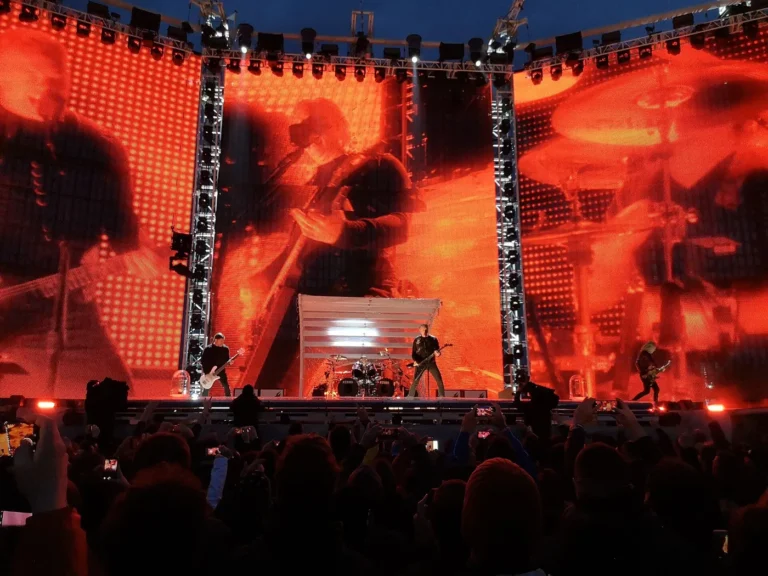
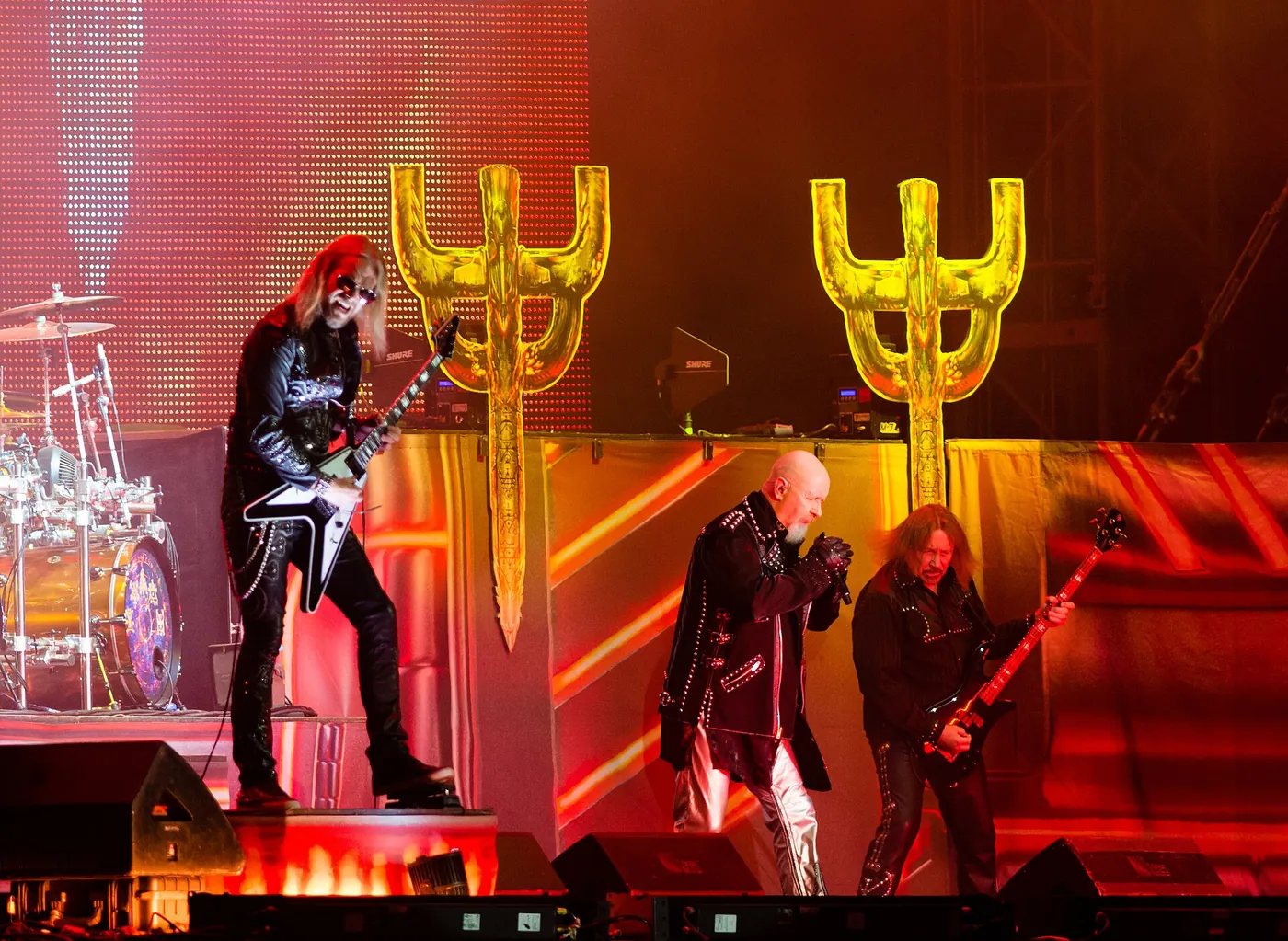
Featured image: Judas Priest performing at Wacken Open Air in 2018. Photo: Frank Schwichtenberg / Wikimedia Commons source / CC BY-SA 4.0. Resized and converted to WebP.