Pantera’s power groove is a vivid example of rhythm giving heavy metal its physical character. A guitar figure can be relatively spacious and still feel enormous when the accents, drum movement, and bass line agree. The band’s best-known recordings make those relationships easy to feel and rewarding to examine.
Their musical appeal also includes expressive lead guitar, changes of atmosphere, and songs that find a clear identity quickly. Exploring those strengths provides a positive way to appreciate the catalog and understand the craft behind its unmistakable sound. The starting point is the pocket: the particular place where the instruments settle together.
A groove depends on the relationship between notes
"Walk" demonstrates how much character can fit into a short central figure. The riff has a recognizable movement, and the deliberate pace gives each accent room to matter. The guitar, bass, and drums support the same physical outline, making the passage feel unified and immediately identifiable.
The important detail is how the notes relate to the pulse. Some sounds feel firmly planted, while others create a little forward pull. That relationship gives the music its particular swing and weight. A listener can recognize the groove through the pattern itself, even when hearing it quietly.
Try following only the drum and bass foundation for a few phrases. Then bring the guitar back into focus. The recording becomes more revealing when the riff is heard as part of an ensemble rhythm. Its authority comes from the way the players agree on the shape and placement of the musical idea.
Dimebag Darrell gives the guitar a vivid personality
Dimebag Darrell’s guitar playing combines a distinctive rhythmic attack with an expressive lead voice. A bend or sustained note can change the emotional character of a passage, while a quick melodic turn adds another kind of motion. The playing makes technical detail feel closely connected to personality.
"Cemetery Gates" is a particularly rewarding introduction to that range. Its contrasting textures let melody, atmosphere, and a broader electric sound contribute to the same song. The guitar has room to be delicate, forceful, and expansive at different points in the arrangement.
"Floods" offers another route toward the band’s melodic side. Follow how the lead phrases develop a sense of direction over the surrounding harmony. The memorable moments are often the notes allowed to settle, giving the faster movement around them an expressive destination. The solo becomes part of the song’s atmosphere and overall arc.
The rhythm section makes the guitar feel larger
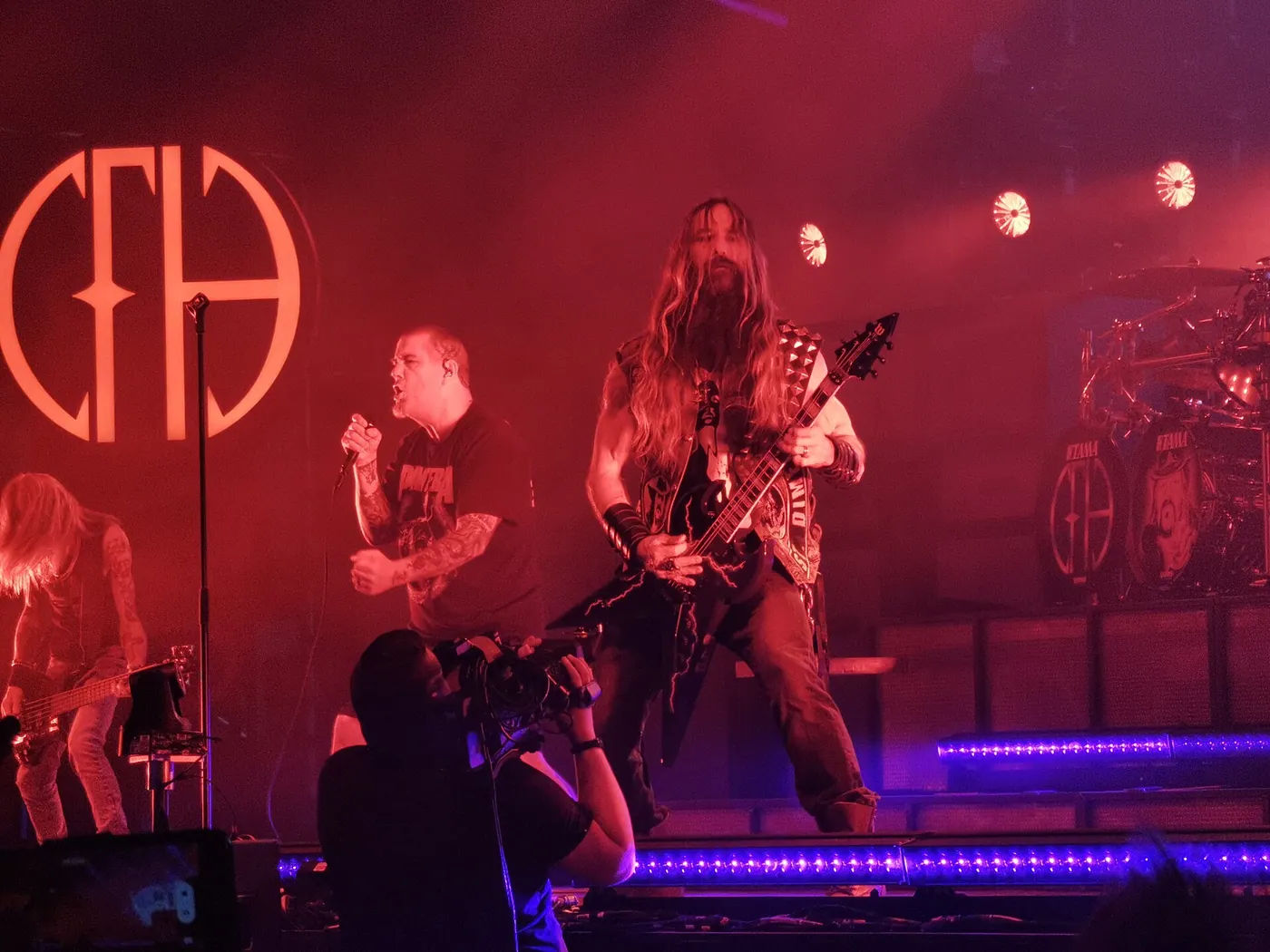
Vinnie Paul’s drumming gives the classic Pantera recordings a strong architectural presence. The kick and snare define the outline of a passage, while fills and cymbal changes mark the movement between sections. A firm rhythmic foundation makes the surrounding guitar sound seem even more substantial.
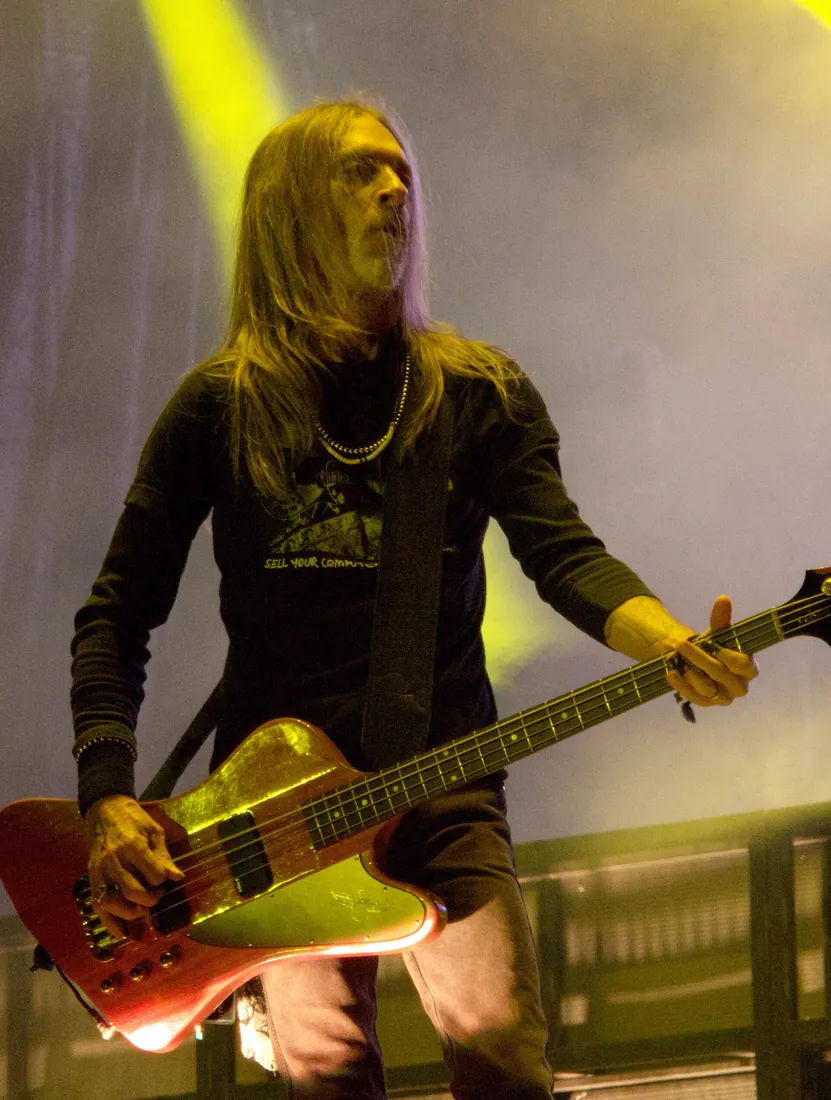
Rex Brown’s bass is another essential part of that foundation. It can reinforce the guitar’s weight while keeping the lower register active and clearly connected to the drums. Listening for that relationship reveals why the band can create such a large sound without filling every available space.
"Mouth for War" is an effective example of the ensemble moving with a shared purpose. The parts reinforce one another, and the arrangement gives each change a decisive feel. Its energy comes from how precisely the players agree on the accents, rather than from any one instrument acting alone.
Albums reveal several kinds of strength
Pantera’s official discography identifies the studio sequence from Cowboys from Hell in 1990 through Reinventing the Steel in 2000. This period provides a focused route through the band’s most widely recognized musical identity and its changing approaches to rhythm, melody, and production.
Cowboys from Hell is a welcoming introduction to the band’s combination of energetic guitar playing and memorable song structures. The title track announces its main idea confidently, while "Cemetery Gates" gives the album another scale of expression. Hearing both makes the record’s range especially clear.
Vulgar Display of Power places the rhythmic character in a particularly prominent position. The official album page supplies the release context and track information. "Walk," "Mouth for War," and "This Love" make an instructive listening sequence, showing how distinct arrangements can share a recognizable physical language.
Listen for contrast as well as impact
The larger musical lesson is that a powerful section benefits from its surroundings. A quieter opening can make an electric entrance feel expansive. A sustained melodic phrase can bring a new emotional color to a rhythm-driven passage. Pantera’s catalog offers several useful examples of those relationships.
For a first session, begin with "Cowboys from Hell," continue with "Walk" and "Mouth for War," then leave room for "Cemetery Gates" or "Floods." The sequence introduces the band’s guitar identity and rhythmic foundation before opening toward a more atmospheric listening experience.
These recordings remain engaging because their central ideas have such definite shapes. A riff can be recognized quickly, a solo can carry an expressive voice, and the ensemble can make a familiar phrase feel newly powerful when it returns. Pantera’s power groove is ultimately a lesson in musical connection: players sharing a pulse and giving every accent a purpose.
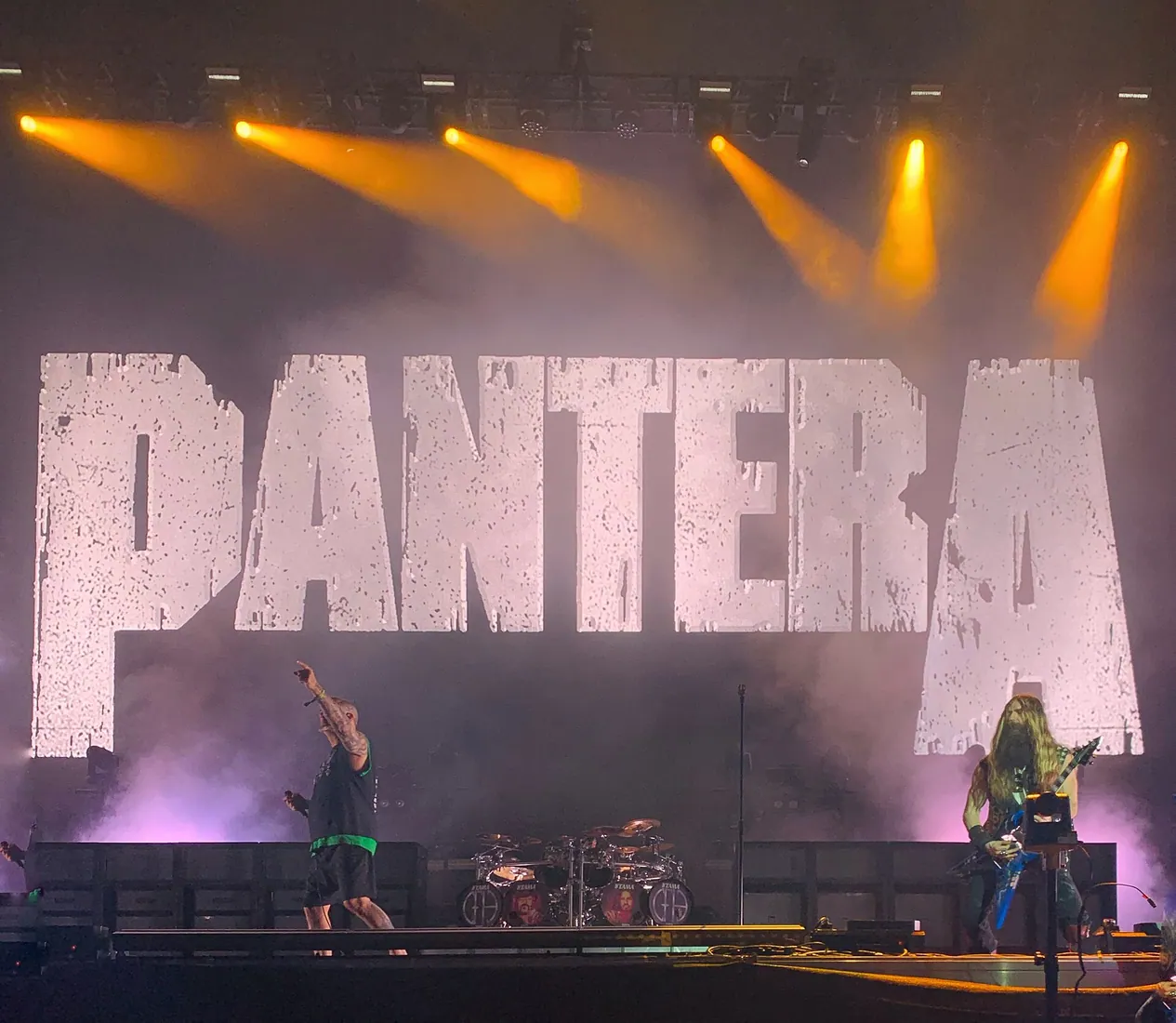
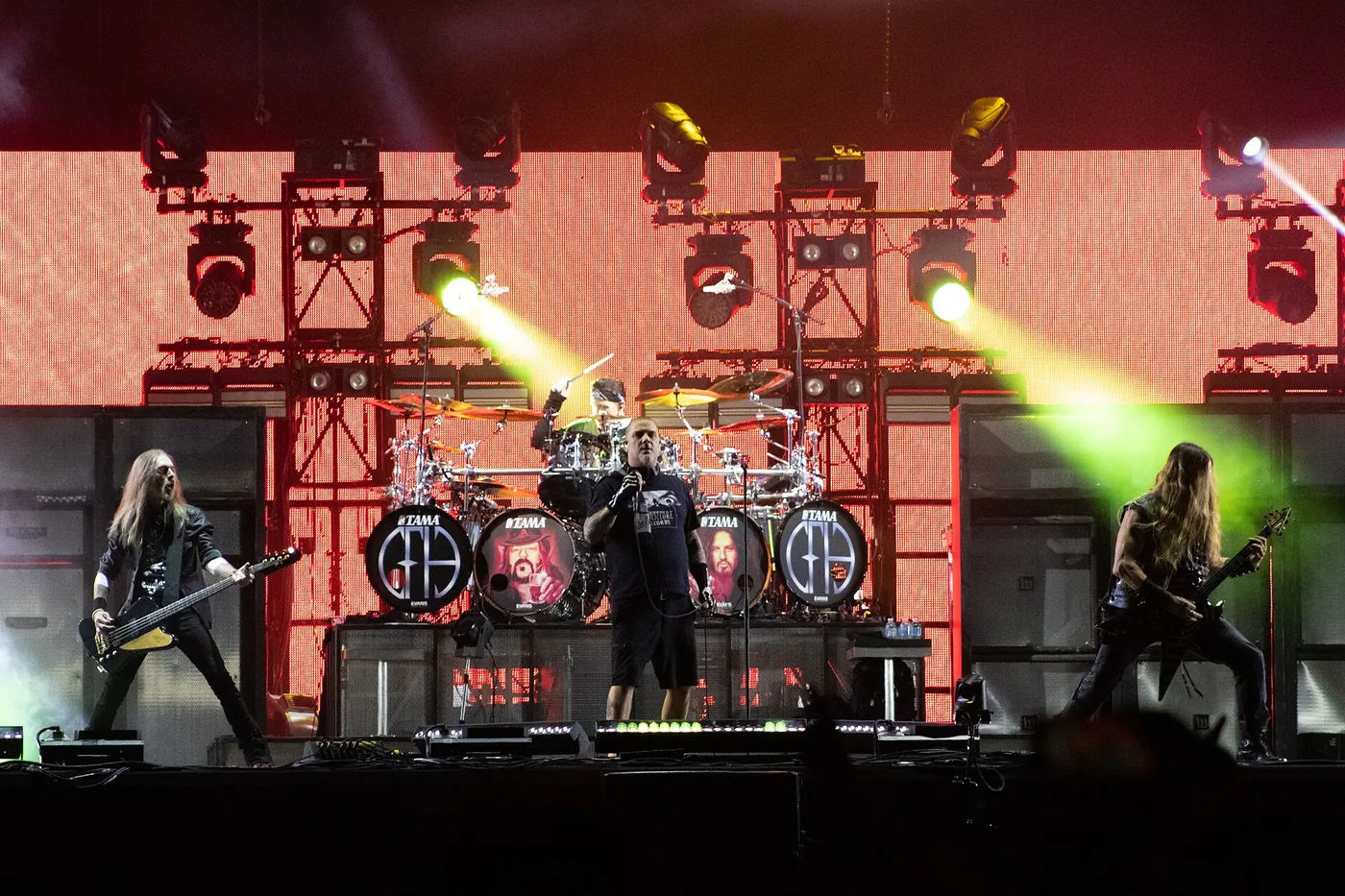
Featured image: Pantera performing at Copenhell in 2023. Photo: Pugilist / Wikimedia Commons source / CC BY-SA 4.0. Resized and converted to WebP.