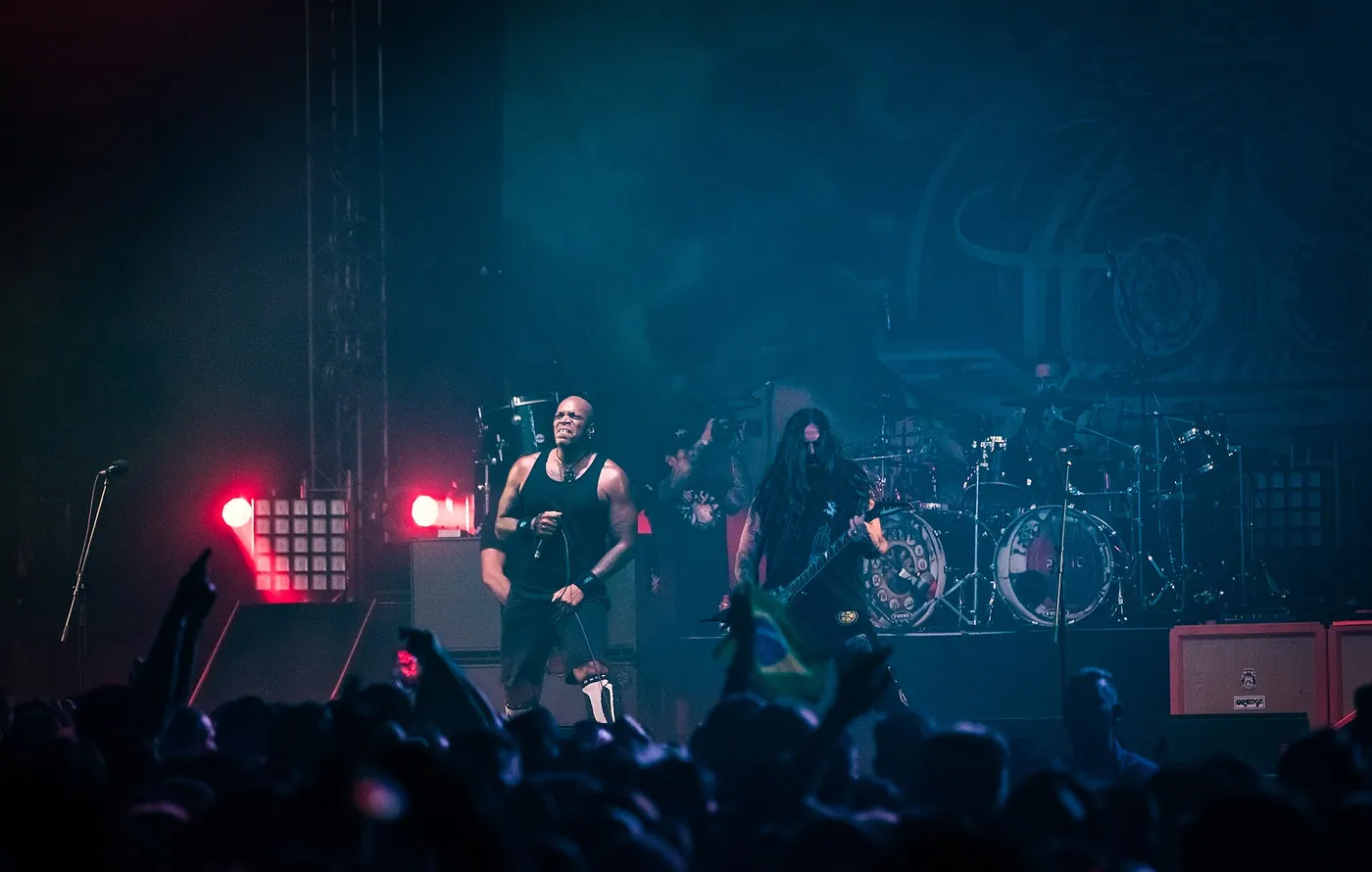
Sepultura’s musical journey shows how a band can build an international voice by remaining curious about rhythm, texture, and the place it comes from. Their catalog moves through several approaches to heavy music while retaining a strong sense of physical momentum. Each chapter offers a different perspective on what a metal arrangement can contain.
The most rewarding way to explore that journey is through the recordings themselves. Listen for the relationship between guitar and percussion, the changing role of melody, and the confidence with which the band gives a new idea room to develop. Those details reveal a creative legacy with remarkable breadth.
Precision creates the foundation
The band’s official biography maps a sequence that includes Schizophrenia, Beneath the Remains, and Arise. These records provide an energetic introduction to the earlier vocabulary of Sepultura: tightly organized guitar movement, emphatic rhythms, and songs with a clear instrumental direction.
"Arise" is an especially useful starting point. Its opening establishes atmosphere before the guitar and drums create a decisive forward motion. The arrangement presents its themes confidently, giving the listener recognizable points of orientation within the energetic performance.
"Beneath the Remains" offers another example of how precision can create excitement. Follow the way the parts move together and how transitions introduce a new rhythmic shape. The ensemble’s shared direction makes the music feel coherent even when individual passages contain considerable activity.
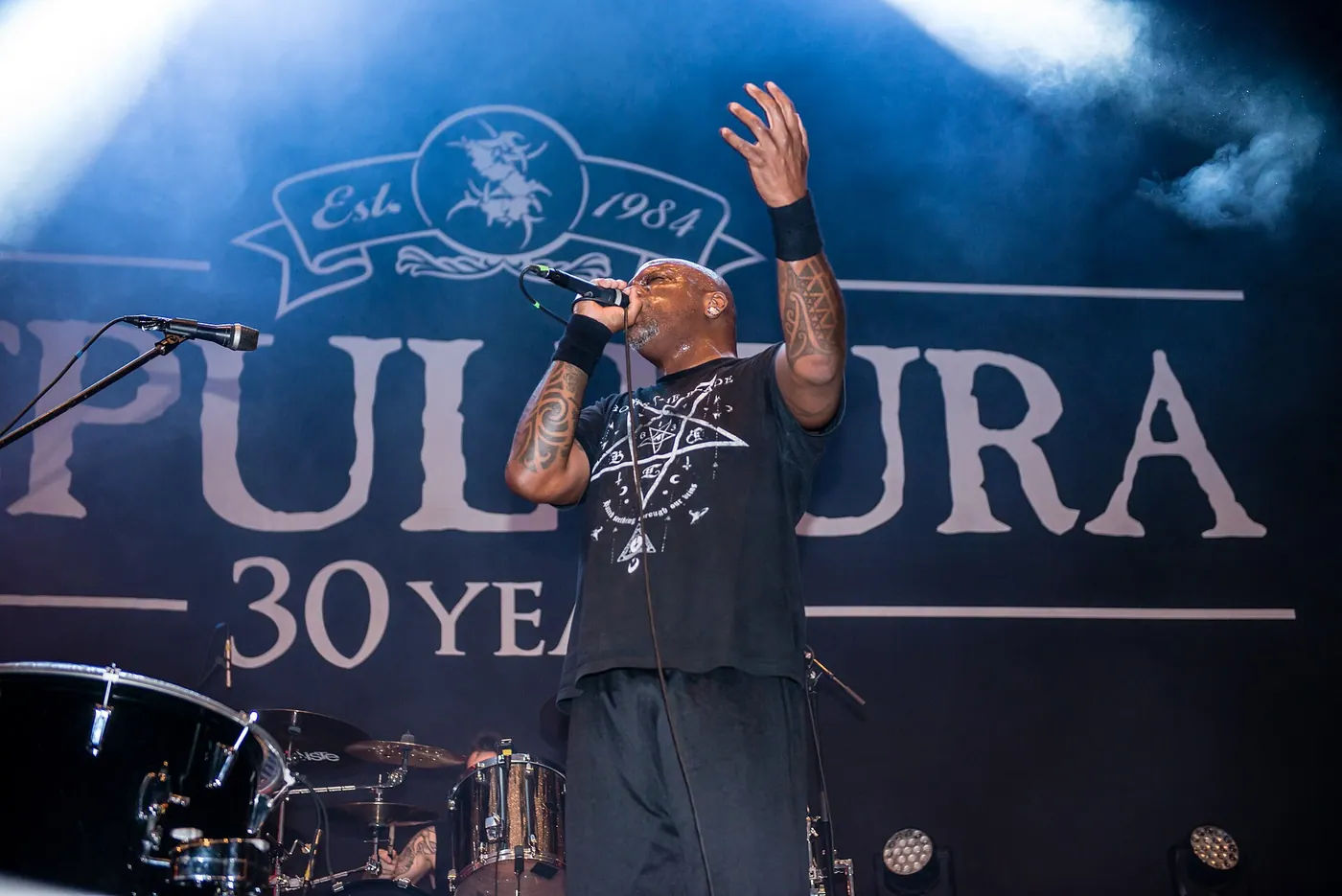
Groove opens a wider space
Chaos A.D. provides a particularly rewarding next step. The official album archive places it in 1993, between Arise and Roots. Its songs make the relationship between a strong central riff and a physical rhythmic pulse especially prominent.
"Refuse/Resist" is a clear introduction to that approach. The opening percussion establishes a distinct identity, and the guitar movement develops around a firm sense of pulse. The arrangement lets the rhythm become an attraction in its own right, giving the song a recognizable physical character.
"Territory" offers a complementary example. The drums establish a memorable outline, and the guitar parts give that foundation a broader musical frame. Listen for how the accents work together. The sense of weight comes from the agreement between instruments and from the space each part leaves around the others.
These songs also make a useful comparison with "Arise." Follow the amount of space surrounding the principal guitar figure in each recording. A more compact passage creates one kind of urgency, while a broader groove allows the percussion to establish a different physical presence. The contrast makes the band’s development audible through specific musical relationships, giving a newcomer a clear reason to explore both albums rather than treating one as a substitute for the other.
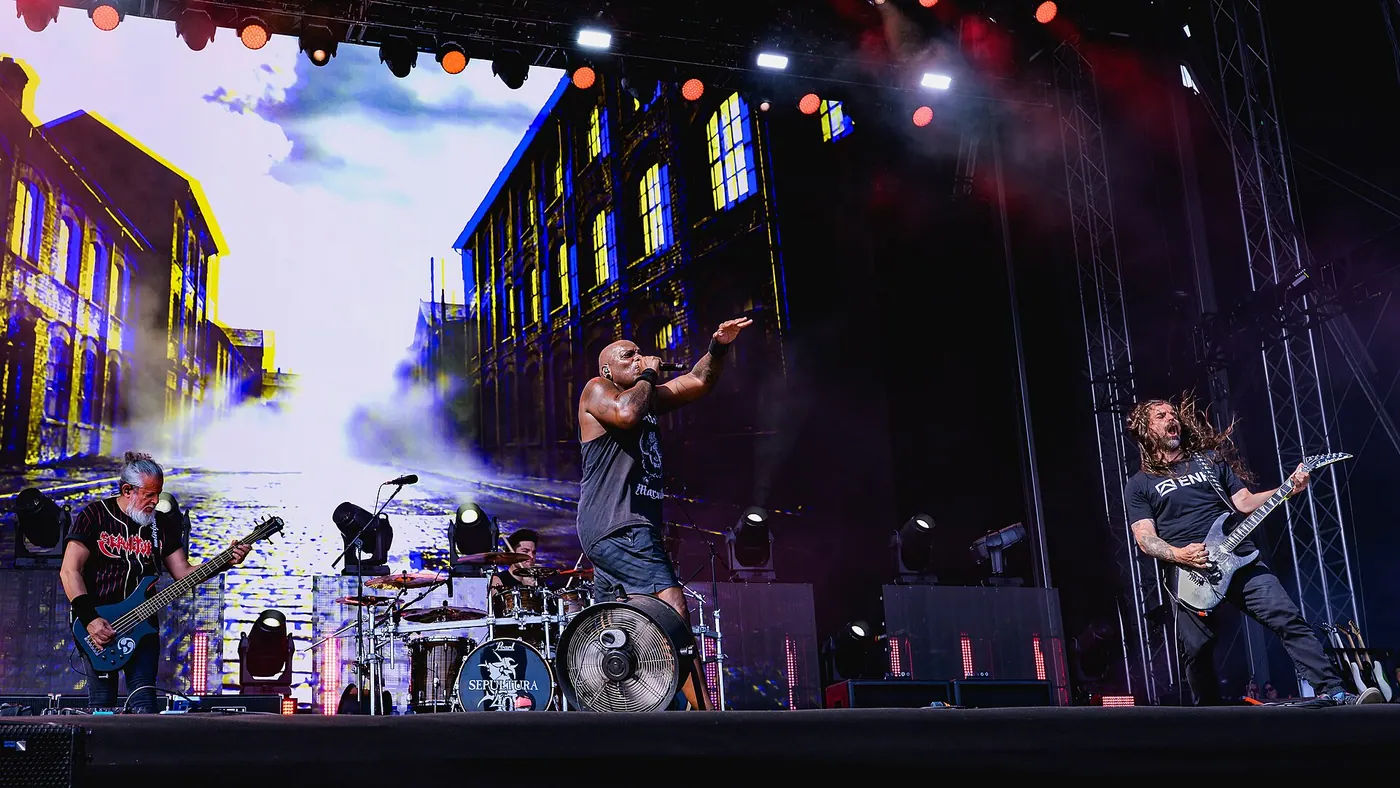
Acoustic color belongs inside heavy music
"Kaiowas" reveals another side of Chaos A.D. Its acoustic instruments and percussion create a different texture while preserving the importance of rhythmic interaction. The piece makes it easy to hear that a band’s identity can extend beyond a particular electric guitar sound.
This kind of contrast also changes the experience of the surrounding album. A shift in texture gives the ear a new perspective, making familiar instrumental colors feel refreshed when they return. Acoustic detail can therefore become part of the larger pacing of a heavy record.
For an attentive listen, follow the relationship between the repeated figures and the percussion. The arrangement builds its character through how those parts meet. The appeal comes from a shared musical movement, demonstrating that a strong ensemble identity can remain clear across very different levels of volume and density.
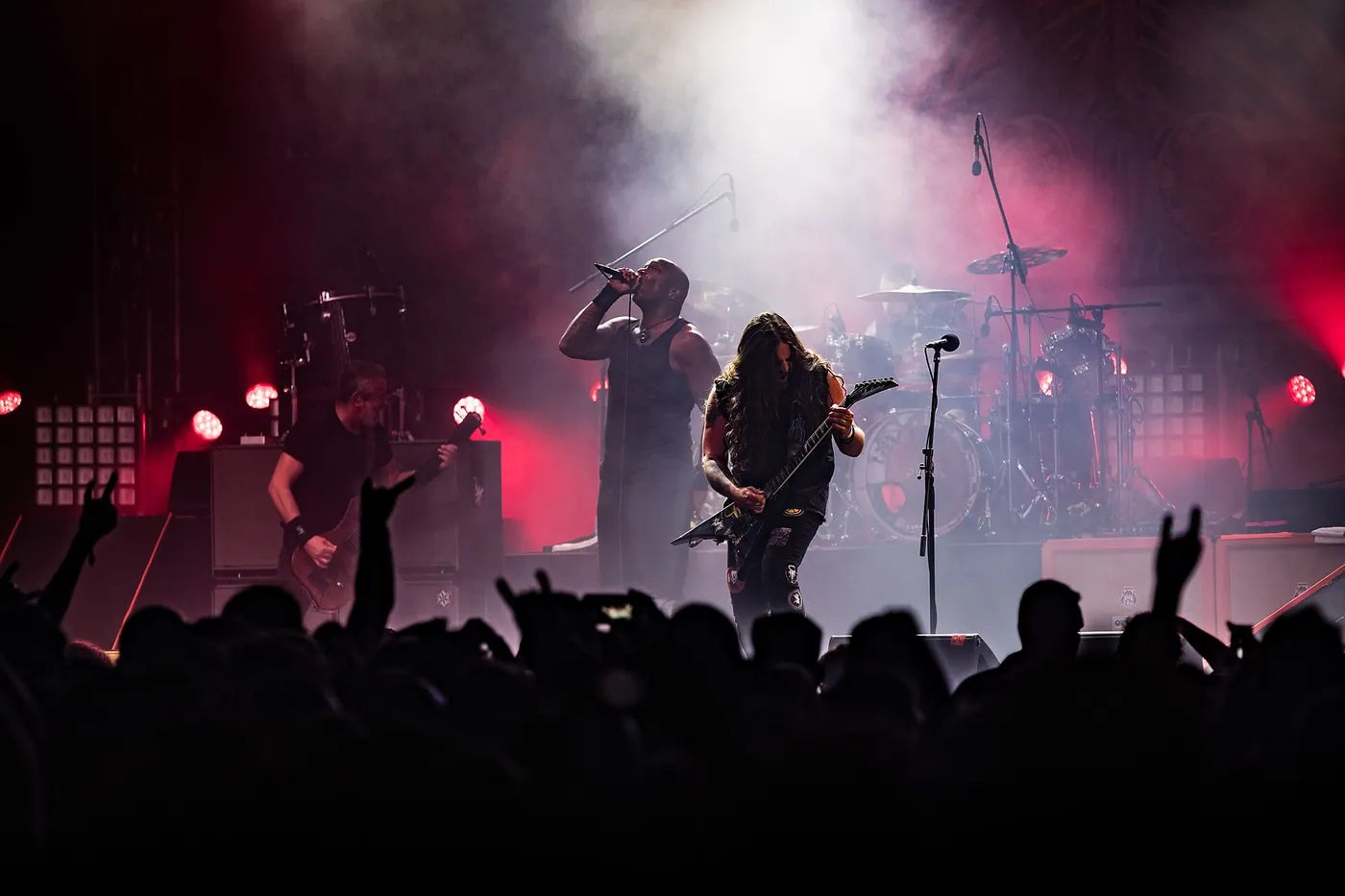
Brazilian perspectives enrich the musical vocabulary
Roots, documented in the official album archive as a 1996 release, places percussion and a thick guitar foundation in a particularly prominent relationship. The record is an important point in the band’s exploration of how Brazilian musical perspectives and heavy metal can interact.
"Roots Bloody Roots" makes a direct impression through its central figure and steady physical movement. "Ratamahatta" places a more animated rhythmic exchange at the center of the experience. Hearing those songs together reveals two different ways a memorable groove can organize an arrangement.
The broader creative value lies in the willingness to explore. A musical influence becomes meaningful when it changes how the parts interact, rather than appearing only as surface decoration. Sepultura’s recordings encourage a listener to hear percussion, guitar texture, and vocal phrasing as closely connected elements of one imaginative space.
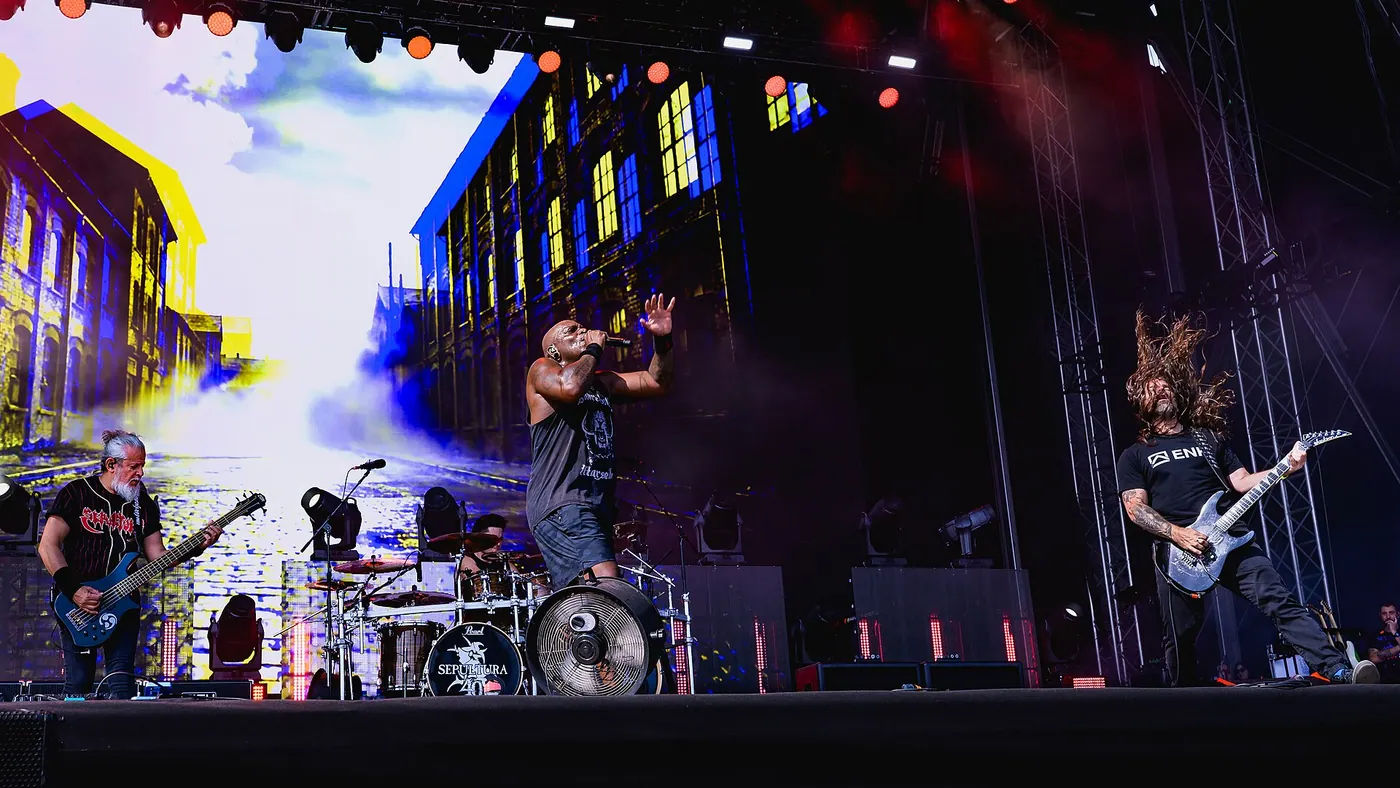
A catalog with several rewarding chapters
The band’s story extends through records including Against, Dante XXI, Machine Messiah, and Quadra, all listed in its official biography. These later chapters give listeners further opportunities to hear the musicians developing different structures, textures, and approaches to arrangement.
Derrick Green’s vocal work is a defining part of that extended history, while Andreas Kisser’s guitar voice and Paolo Jr.’s bass contribute recognizable threads through the catalog. It is useful to approach each album as a complete musical setting, allowing its particular ensemble and production choices to establish their own character.
Build an introductory sequence with "Arise," "Refuse/Resist," "Kaiowas," and "Roots Bloody Roots," then choose a later album for a full listen. The route moves through precision, groove, acoustic color, and a broader rhythmic perspective. It shows why Sepultura’s creative legacy reaches so far: the band repeatedly found new ways for a shared musical identity to grow.
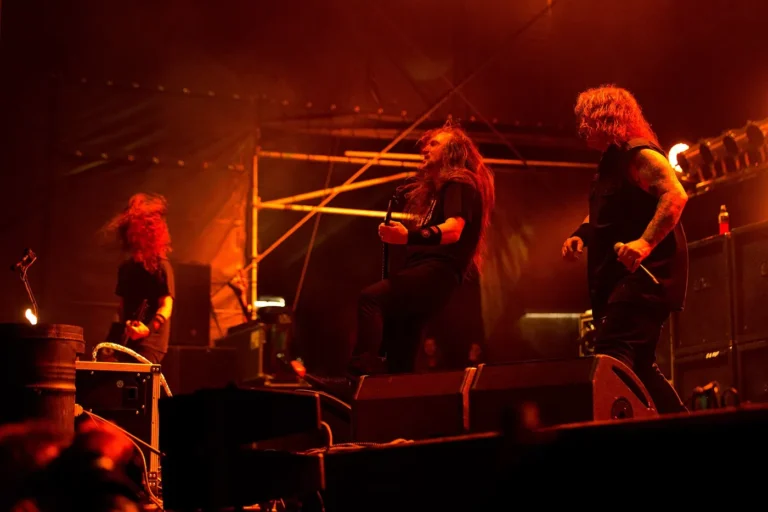
Featured image: Sepultura performing at Wacken Open Air in 2018. Photo: Andreas Lawen, Fotandi / Wikimedia Commons source / CC BY-SA 4.0. Resized and converted to WebP.