
System of a Down make musical surprise feel welcoming. A compact guitar figure can give way to a flowing melody, a vocal can change character within a phrase, and a song can arrive somewhere unexpected without losing its identity. The pleasure comes from hearing imaginative ideas connect with remarkable confidence.
Their catalog is full of those moments, but its appeal also rests on clarity. Memorable themes provide a route through the changes, and the musicians give each transition a recognizable purpose. Exploring that relationship between invention and accessibility reveals why their songs can feel so distinctive on a first listen and so rewarding on a return visit.
A song can contain several emotional colors
System of a Down often build an arrangement from sharply differentiated sections. One passage may be rhythmically compact, another spacious and melodic, and another animated by an unexpected change in vocal phrasing. Each section has its own character, yet the complete song feels connected through recurring ideas and a recognizable ensemble sound.
"Chop Suey!" is an especially accessible example. Its opening guitar texture establishes an identity that the arrangement then expands in several directions. The changes of intensity make the melodic passages feel larger, while recurring material gives the listener a familiar place to return.
"Question!" offers another rewarding route into that imaginative approach. Listen to how the instrumentation and vocal movement establish different scales of expression. The song’s interest lies in the relationships between those sections, with each change adding another perspective to the musical world already taking shape.

Daron Malakian gives the guitar a melodic personality
Daron Malakian’s guitar writing can move between percussive riffs and phrases with a strong melodic contour. A passage often remains recognizable through its shape, even when the surrounding arrangement changes quickly. That quality helps the music feel coherent while leaving room for substantial variety.
"Aerials" is a useful starting point for hearing the value of a clear recurring theme. The instrumental idea establishes a definite atmosphere, and the song develops around it with patience. Its identity remains strong because the listener can recognize the central movement as the arrangement grows.
"B.Y.O.B." provides a contrasting kind of energy. Distinct rhythmic and melodic sections create an animated sequence of musical scenes. Following the guitar’s role through those changes makes the larger structure easier to hear and shows how a compact song can contain an unusually broad range of movement.
Two vocal personalities create depth
The relationship between Serj Tankian and Malakian gives the band another valuable source of contrast. Their voices can share a melody, answer each other, or introduce different colors within the same passage. A change in vocal texture can make an arrangement feel as though a new character has entered the scene.
"Lost in Hollywood" is a particularly rewarding example of the band’s melodic imagination. The vocal presentation gives the song a distinct atmosphere, and the surrounding instrumental choices support that character. The effect is immersive because the musical parts agree about the mood they are creating.
Tankian’s account of his musical background describes growing up with Armenian, Arabic, and French music among his influences. That breadth offers useful context for the band’s curiosity. It encourages a listener to hear the recordings as a meeting of musical perspectives, with melody and phrasing carrying their own histories.

Bass and drums keep the surprises connected
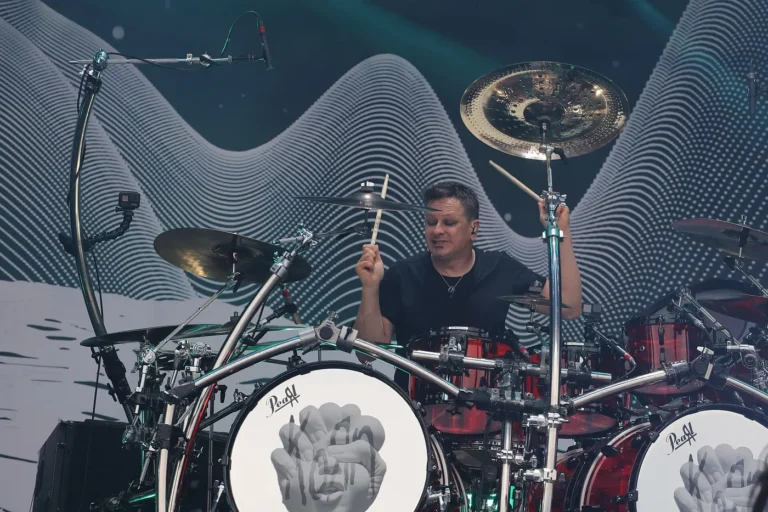
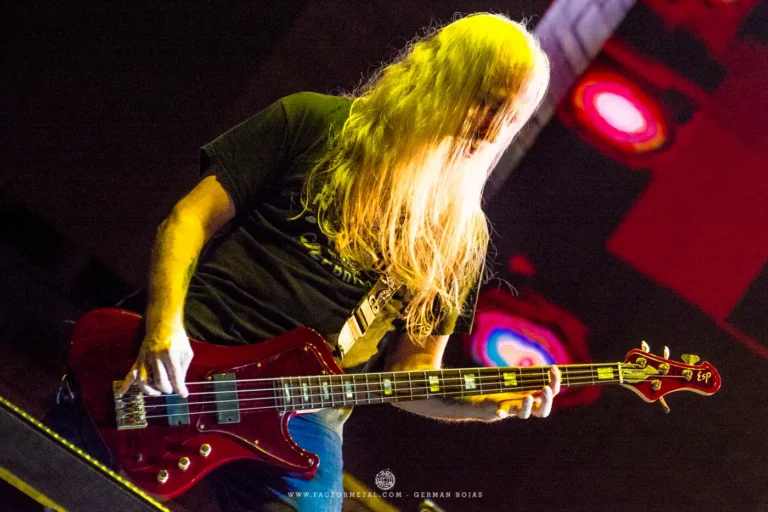
Shavo Odadjian’s bass and John Dolmayan’s drumming help the music move decisively between different sections. Their role becomes particularly important when a song changes direction quickly. A shared accent or a well-placed fill can make the next idea feel confidently prepared.
"Toxicity" offers a rewarding opportunity to focus on the drums. The patterns give the song an immediately recognizable physical identity, while the guitar and voice move through a changing emotional frame. The ensemble’s coordination allows the arrangement to remain clear despite its shifts in intensity.
Listen to the moment just before a familiar section returns. The rhythm section often helps establish that arrival, giving the listener a feeling of anticipation. These small connective decisions are part of what makes the band’s imagination so accessible. A surprise lands effectively because the musicians know how to guide the ear toward it.

A concise catalog with many different entrances
The official music archive documents System of a Down, Toxicity, Steal This Album!, Mezmerize, and Hypnotize. Each record offers a different setting for the band’s recognizable mix of rhythmic invention and melodic personality. Choosing one album in full helps its particular pacing become clear.
For a short introduction, try "Aerials," "Toxicity," "Question!," and "Lost in Hollywood." The sequence moves between a strong recurring theme, distinctive drumming, changing textures, and an expansive melodic atmosphere. Each track offers a clear reason to continue exploring.
System of a Down’s music celebrates the possibilities of an individual creative voice. The songs make room for contrasting ideas without losing their recognizable center, showing how curiosity can become a practical songwriting strength. A listener does not need to predict every turn to enjoy the journey; the melodies, rhythms, and performances provide plenty of company along the way.
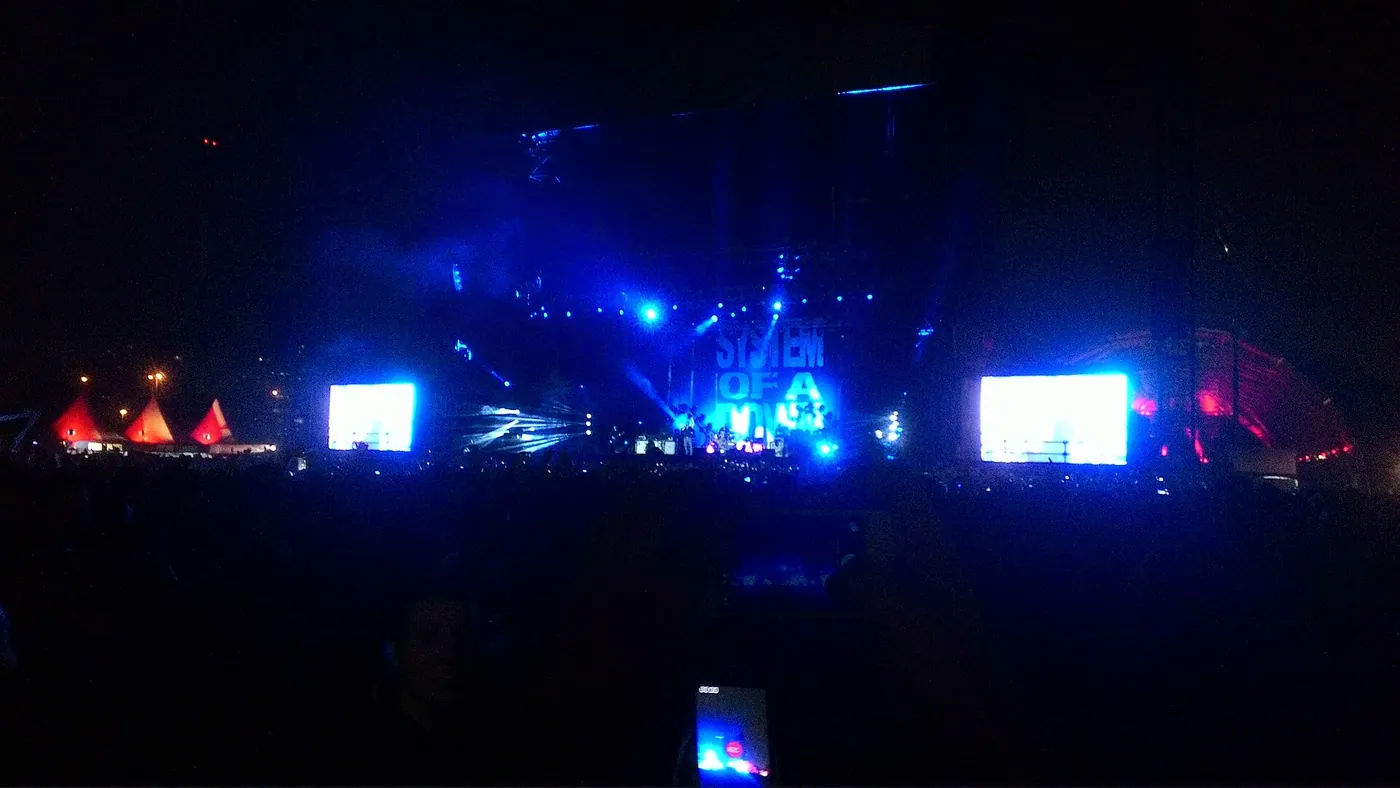
Featured image: System of a Down performing together in Mexico in 2026. Photo: Californipedia / Wikimedia Commons source / CC0. Resized and converted to WebP.