Lamb of God’s groove is a collective achievement. A guitar figure may catch the ear first, but its character depends on the bass, the drums, and the vocal phrasing around it. Each part helps define where the accents land and how the passage moves. The result is a sound that feels tightly connected and unmistakably physical.
Listening for that teamwork reveals much of the band’s musical appeal. Their recordings contain intricate rhythmic decisions, memorable guitar contours, and arrangements that make changes of intensity easy to follow. These are useful points of entry whether you enjoy playing an instrument or simply want to discover what makes the songs work.
Two guitars agree on a rhythmic shape
Mark Morton and Willie Adler bring distinct musical personalities to a shared guitar language. The central attraction is often the relationship between a repeating figure and the accents that give it character. A passage can feel busy, but its movement remains organized around a definite rhythmic identity.
"Laid to Rest" is an inviting example. The main figure is recognizable, and the surrounding arrangement gives it enough space to establish its shape. Follow how the guitar and drums reinforce each turn. Their agreement makes the groove feel firm without flattening the detail within it.
"Now You’ve Got Something to Die For" offers another route into the same principle. Its guitar identity has a strong physical profile, and the ensemble supports that profile with confidence. The song becomes easier to navigate when the listener focuses on the recurring figure and the moments that prepare its return.
The drums make the architecture audible
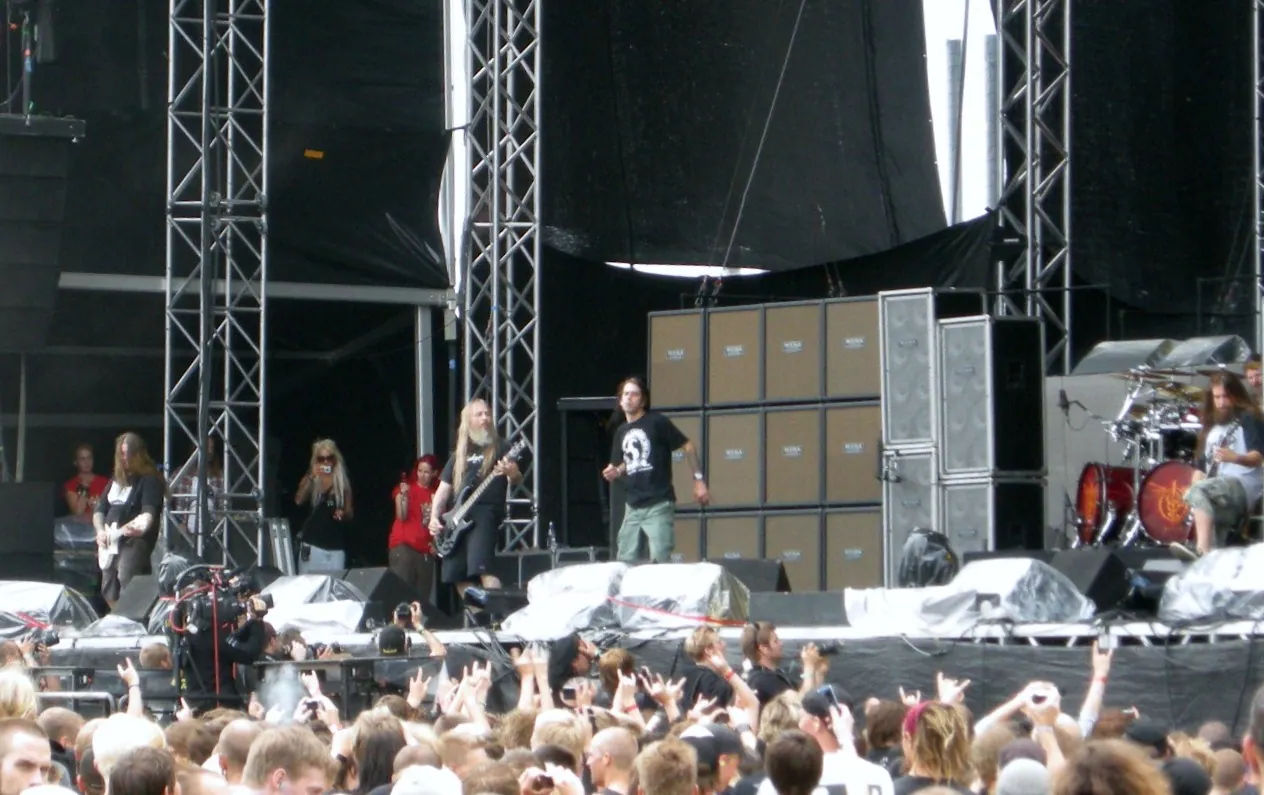
The classic recordings featuring Chris Adler provide a rewarding study in rhythmic organization. A drum part can closely follow a guitar accent, introduce a contrasting movement, or announce a new section through a brief fill. Those choices help define the song’s larger shape.
"Hourglass" is a useful place to hear how a detailed drum performance can remain connected to the central musical idea. Listen for what changes around the main figure as the song develops. A different cymbal emphasis or a new pattern in the lower drums can alter the energy without changing the guitar’s identity.
The band’s later recordings with Art Cruz offer another perspective on its rhythmic character. Rather than treating every album as an interchangeable example of one sound, listen to the particular performance in front of you. Production, phrasing, and the balance between instruments give each record its own physical feel.
Bass gives the groove its depth
John Campbell’s bass helps connect the guitars to the drums. The instrument provides weight, but its rhythmic role is equally important. It can make a guitar figure feel grounded while ensuring that the low end moves with the ensemble rather than remaining a static background.
That connection is especially revealing when a song moves into a more spacious passage. With fewer competing sounds, the relationship between bass and drums becomes easier to hear. Their shared pulse gives the guitar room to stretch a phrase or hold a note without losing momentum.
Try following the low end through a complete song at a comfortable listening level. Notice where the bass reinforces the guitar directly and where the drums provide the clearest sense of movement. Hearing those roles makes the full arrangement feel more dimensional and highlights the musicianship beneath the most prominent riffs.
A distinctive voice completes the ensemble
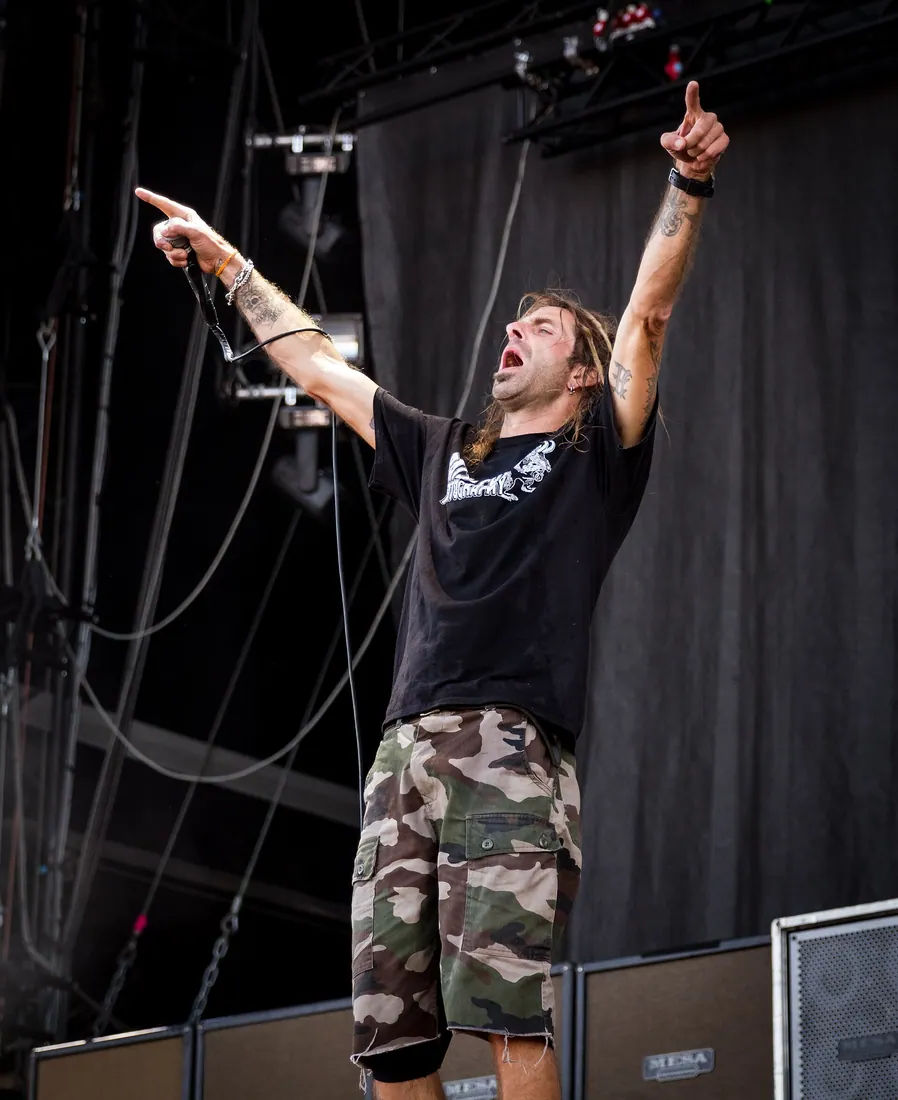
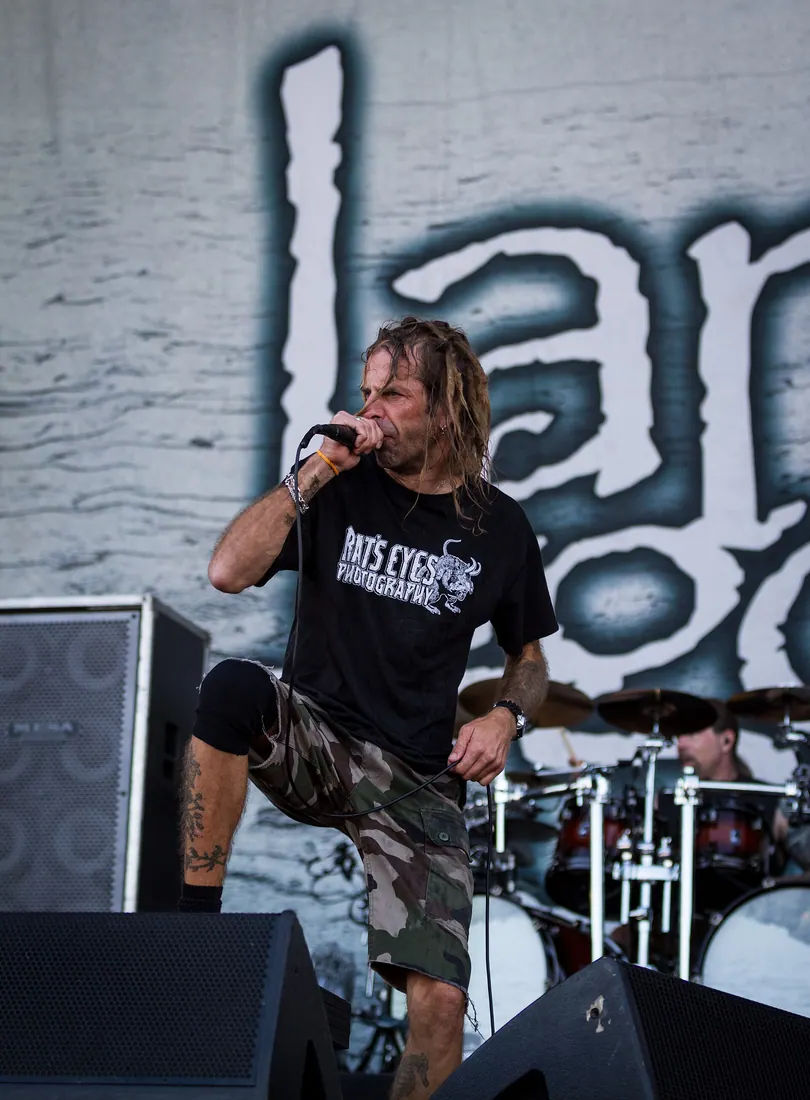
Randy Blythe’s vocal delivery gives Lamb of God a recognizable center. The rhythmic shape of a line can reinforce an instrumental accent or create another layer of movement above it. The voice becomes part of the song’s physical design, adding emphasis and personality to the shared groove.
"Redneck" is a particularly accessible introduction to that relationship. Its central guitar idea has a strong outline, while the vocal phrasing provides another clear point of recognition. The song demonstrates how an energetic ensemble can remain easy to follow when its main attractions are presented decisively.
"Descending" opens a different perspective, giving atmosphere and a more deliberate scale room to emerge. Hearing it beside a more direct track reveals how the band’s identity can remain recognizable across changes in pace and texture. The same musical voices take on different roles within a new arrangement.
A focused route through the records
The official discography provides a map through As the Palaces Burn, Ashes of the Wake, Sacrament, and the band’s later releases. Ashes of the Wake is a rewarding starting point for listeners interested in interlocking guitar and drum parts. Sacrament offers another strong entrance through prominent hooks and clearly defined song identities.
Begin a short session with "Laid to Rest," "Hourglass," "Redneck," and "Descending." Each emphasizes a slightly different part of the musical picture. Once a track becomes familiar, choose a single instrument to follow from beginning to end. The changes in its role will reveal details that the complete sound can initially conceal.
Lamb of God’s most instructive quality is the way individual skill becomes collective movement. The musicians are giving the same idea depth, direction, and recognizable character from several positions at once. Their groove feels so effective because every part contributes to the shape of the whole song.
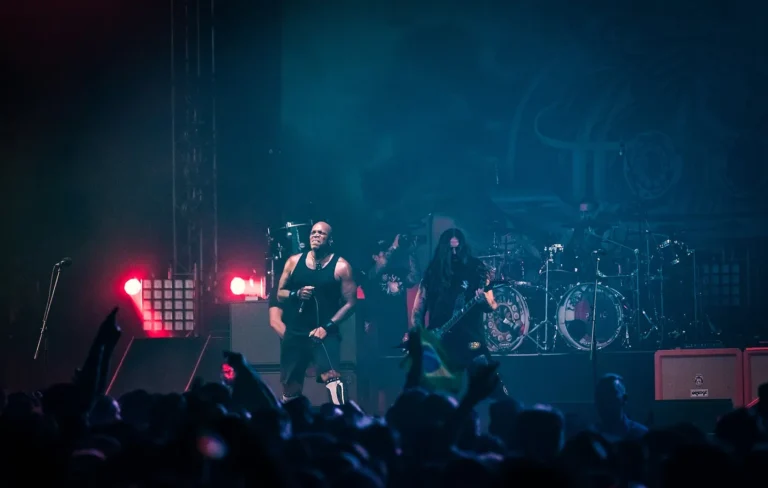
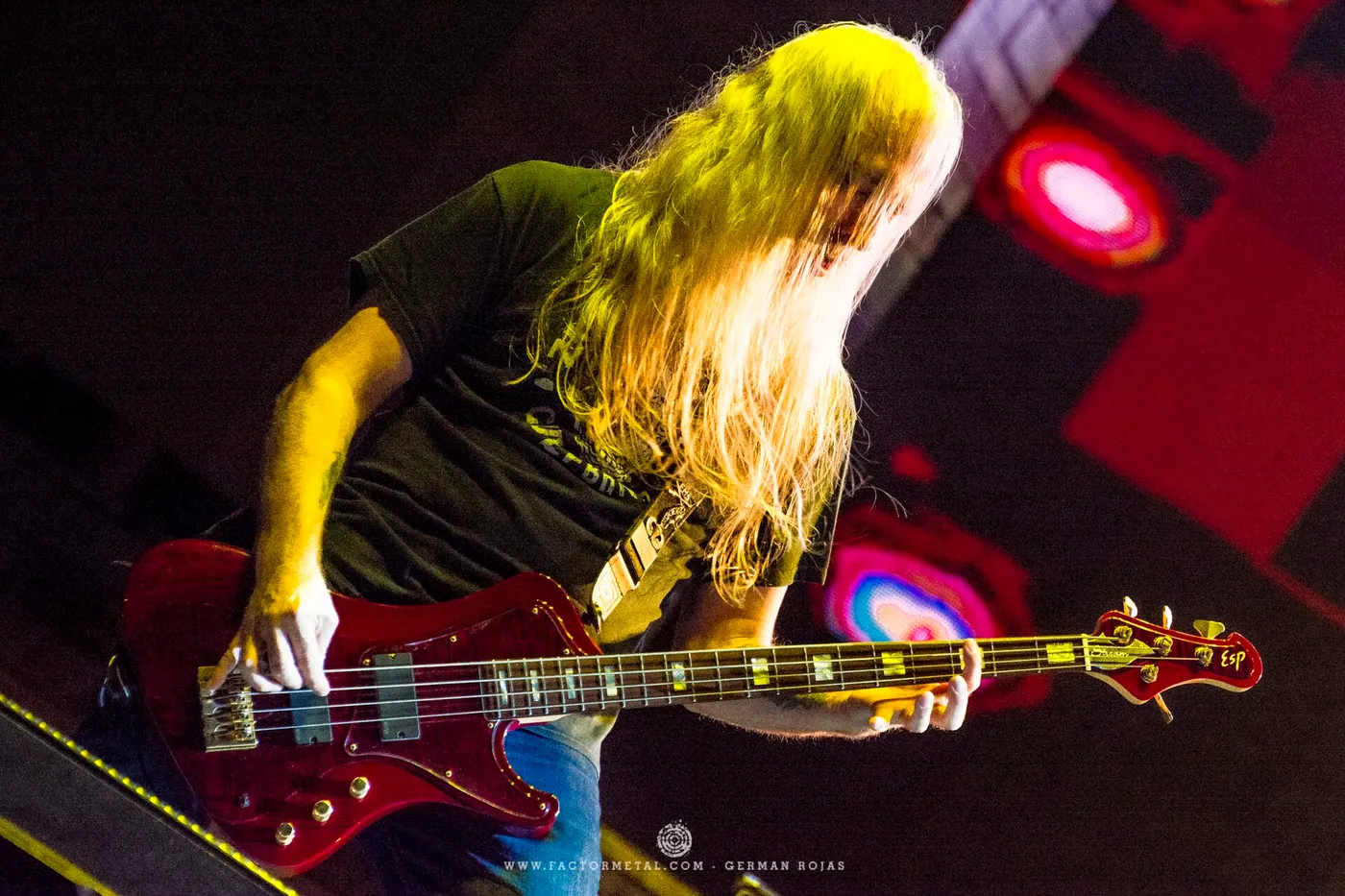
Featured image: A Lamb of God musician performing at Rock al Parque in 2017. Photo: Factor Metal / Wikimedia Commons source / CC BY 2.0. Resized and converted to WebP.